

Do Teeth Whitening Strips Work
Thinking about how to get a brighter smile at home? You've probably seen teeth whitening strips everywhere, promising a quick fix. But do teeth whitening strips really work? They can, and they're a pretty popular option for tackling stains. We'll break down what these strips are, how they get your teeth whiter, and what you can realistically expect when you use them. Plus, we'll cover some important points about safety and whether they're the right choice for you.
Key Takeaways
- Teeth whitening strips work by using bleaching agents like hydrogen or carbamide peroxide to break down stains on the tooth surface and within the enamel.
- For many people, whitening strips can lighten teeth by a few shades, with noticeable results often appearing within 3 to 14 days of consistent use.
- These strips are most effective on extrinsic stains caused by things like coffee, tea, wine, and smoking, but may be less effective on deeper, intrinsic stains.
- While generally safe when used as directed, potential side effects include temporary tooth sensitivity and gum irritation, especially with overuse or higher concentrations of active ingredients.
- For the best results and to maintain a whiter smile, it's important to follow product instructions, avoid staining foods and drinks after use, and practice good oral hygiene.
What Teeth Whitening Strips Are and How They Work
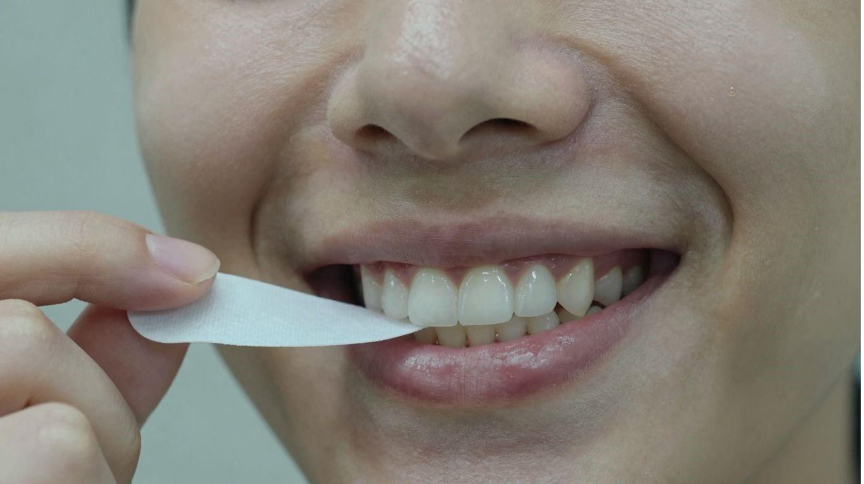
So, you're curious about those little strips you see everywhere, promising a brighter smile? Let's break down what teeth whitening strips actually are and how they go about doing their thing. Essentially, these are thin, flexible pieces of plastic, coated on one side with a gel. This gel is where the magic happens, containing active ingredients designed to lift stains from your teeth. The most common active ingredients you'll find are hydrogen peroxide or carbamide peroxide. When you apply the strip to your teeth, the gel makes contact with the tooth surface. The peroxide then works to break down the molecules that cause discoloration.
Think of it like this: the peroxide penetrates the outer layer of your tooth, the enamel, and reaches the dentin layer underneath. In the dentin, it targets and breaks apart the pigmented molecules, often called chromogens, that make your teeth look less than bright. This process is what leads to a lighter appearance over time. It's a chemical reaction, plain and simple, aimed at tackling those everyday stains.
When considering if do teeth whitening strips work, it's helpful to understand this mechanism. The effectiveness often depends on the type and depth of the stain. Surface stains, the kind you get from coffee, tea, or wine, are generally easier for these strips to tackle. Deeper, intrinsic stains, which can be caused by things like aging or certain medications, might be more challenging for over-the-counter strips to fully address.
Here's a quick rundown of how the process generally works:
- Application: You carefully place the strips onto your upper and lower teeth, ensuring good contact.
- Contact Time: You leave them on for a specific period, usually between 15 to 45 minutes, depending on the brand's instructions.
- Removal: After the time is up, you peel off the strips and discard them.
It's a pretty straightforward process, designed for at-home convenience. The key is consistency and following the product's directions precisely to get the best results and minimize any potential issues. Understanding how do teeth whitening strips work helps set realistic expectations for what these products can achieve for your smile.
Types of Tooth Stains Whitening Strips Can Address
Teeth whitening strips are designed to tackle a variety of tooth discolorations, primarily focusing on stains that affect the outer layers of your teeth. They work by using bleaching agents, like hydrogen peroxide or carbamide peroxide, which penetrate the enamel to break down the molecules causing the discoloration.
Whitening strips are generally most effective on extrinsic stains, which are those that appear on the surface of the teeth. These are often caused by everyday factors such as:
- Food and Drinks: Common culprits include coffee, tea, red wine, dark berries, and sodas. These items contain pigments that can adhere to tooth enamel over time.
- Smoking and Tobacco Use: Nicotine and tar from tobacco products can leave stubborn yellow and brown stains on teeth.
- Certain Medications: Some antibiotics, particularly tetracycline, can cause deep, intrinsic stains, but milder extrinsic staining can also result from other medications or exposure to metals like iron.
While strips can help with some intrinsic stains – those originating from within the tooth – their effectiveness here is more limited. Intrinsic stains can be caused by factors like aging (which thins enamel, making the natural yellow dentin more visible), genetics, or excessive fluoride exposure during tooth development. For these deeper, more complex discolorations, professional dental treatments often yield more significant results.
It's important to remember that whitening strips only affect natural tooth enamel. They will not change the color of existing dental work such as fillings, crowns, bridges, or implants. Therefore, if you have these restorations, you might notice a color mismatch after whitening your natural teeth.
Whitening strips are best suited for mild to moderate discoloration, particularly surface stains. For very deep or stubborn stains, or if you have significant dental work, consulting with a dental professional is recommended to discuss the most appropriate whitening options.
Effectiveness of Teeth Whitening Strips: What Patients Can Expect
So, are teeth whitening strips effective? For many people, the answer is a definite yes, but it's not quite as simple as just slapping them on and expecting a Hollywood smile overnight. These strips work by using bleaching agents, usually hydrogen peroxide or carbamide peroxide, which get onto your teeth and break down stains. Think of it like this: they penetrate the outer layer of your tooth, called enamel, and tackle the molecules that cause discoloration. This is why they're generally better at dealing with stains from things like coffee, tea, or wine – those are called extrinsic stains, meaning they're on the surface.
How long does it take to see a difference? Well, that really depends on how stained your teeth are to begin with. For lighter stains, you might start noticing your teeth looking brighter in as little as 3 to 5 days. If you've got more moderate staining, give it about a week to 10 days. For those really stubborn, deep stains, it could take up to two weeks or even a bit longer. It's a process, not an instant fix.
Here's a general idea of what to expect:
- Light Stains: Noticeable results often appear within 3-5 days.
- Moderate Stains: Expect to see changes within 7-10 days.
- Heavy Stains: These might require 14 days or more of consistent use.
It's super important to remember that these strips are most effective on surface stains. If your discoloration is deeper inside the tooth (intrinsic stains), often caused by things like aging or certain medications, strips might not give you the dramatic results you're hoping for. In those cases, other treatments might be a better fit.
Following the product's instructions is key. Don't leave them on longer than recommended, thinking it'll speed things up. Overdoing it can lead to tooth sensitivity or even irritate your gums. Patience and consistency are your best friends here.
Benefits of Teeth Whitening Strips for the Right Candidate
For many people, teeth whitening strips offer a straightforward and accessible way to brighten their smile. When used as directed, these at-home treatments can be quite effective, especially for those dealing with surface stains from everyday habits like drinking coffee or tea. One of the biggest advantages is the convenience; you can apply them in the comfort of your own home, fitting the treatment around your daily schedule. This makes them a popular choice for individuals seeking a noticeable improvement without the need for a dental visit.
Whitening strips work by applying a bleaching agent, typically hydrogen peroxide or carbamide peroxide, directly to the tooth surface. This gel works to break down stains, lifting them from the enamel. For the right candidate, this can lead to a visibly whiter smile in a relatively short period. The results can vary depending on the initial shade of the teeth and the type and severity of the stains, but many users report seeing a difference within a week or two.
Here are some key benefits:
- Cost-Effectiveness: Compared to in-office professional whitening treatments, strips are generally much more affordable, making a brighter smile attainable for a wider range of budgets.
- Ease of Use: The application process is typically simple. Most kits come with pre-measured strips that you apply directly to your teeth for a set amount of time each day.
- Targeted Treatment: Strips allow for direct contact with the tooth surface, helping to address discoloration effectively.
- Improved Confidence: A whiter smile can significantly boost self-esteem and make people feel more comfortable when they smile or speak.
It's important to remember that not everyone is an ideal candidate for whitening strips. Those with existing dental issues, such as gum disease or significant tooth sensitivity, should consult a dental professional first. However, for individuals with generally good oral health looking to combat common staining, whitening strips can be a rewarding option.
While the results from whitening strips can be impressive, it's crucial to manage expectations. They are most effective on extrinsic stains (those on the surface) and may not significantly alter the color of teeth with intrinsic stains (those within the tooth structure) or those that are naturally a darker shade. Consistency and following the product's instructions are key to achieving the best possible outcome.
Safety, Sensitivity, and Oral Health Considerations
When you're thinking about using teeth whitening strips, it's smart to consider how they might affect your mouth. Most of the time, these strips are pretty safe, but like anything, there are a few things to keep in mind to avoid any unwanted issues. Following the instructions exactly is the most important step to a good experience.
One common thing people notice is tooth sensitivity. This can feel like a quick zap or tingle when you eat something hot or cold. It usually happens because the whitening agent can sometimes get onto your gums, which are more sensitive than your teeth. Also, if your enamel is a bit thinner, you might feel this more. Most of the time, this sensitivity goes away on its own after you stop using the strips or if you use them less often. Some people find that using a toothpaste for sensitive teeth can help.
Gum irritation is another possibility. If the strip sits on your gums for too long, or if the gel spreads, your gums might get a little red or sore. It's best to try and place the strips carefully, just on the teeth, and take them off right when the time is up.
There's also a small risk of enamel damage, especially if the strips are used too frequently or left on for longer than recommended. Some products might contain ingredients that could be harsher on your enamel over time. It's really about sticking to the recommended schedule and not trying to speed up the process by using them more than advised.
Here are some tips to help you use whitening strips safely:
- Always read and follow the directions on the package. Don't leave them on longer than suggested.
- Try to avoid getting the gel on your gums. Place the strips carefully on your teeth.
- If you start feeling significant discomfort or pain, take the strips off right away.
- Don't use whitening strips more often than the product recommends. Overdoing it can cause problems.
- If you have any dental work like crowns or veneers, talk to a dental professional first, as strips might not work the same way on them.
Using whitening strips correctly is key. They are designed for temporary stain removal and occasional brightening. If you have persistent sensitivity, gum issues, or are looking for more dramatic or long-lasting results, it's always a good idea to chat with your dentist. They can help you figure out the best and safest way to get the smile you want.
Children under 12 should not use whitening strips because their teeth are still developing. Teenagers can use them, but it's best to have adult supervision to make sure they're used properly and not overdone.
So, Do Teeth Whitening Strips Actually Work?
In short, yes, teeth whitening strips can make a difference. They're a pretty accessible way for people to brighten their smiles, especially if the stains are mostly on the surface from things like coffee or tea. You can usually see some changes within a week or two if you use them as the package says. But, it's good to remember they aren't a magic fix for really deep stains, and the results don't last forever. For those looking for a more noticeable or lasting change, talking to a dental professional about options is a good idea. They can help figure out the best plan for your specific needs and keep your smile healthy and bright.
Frequently Asked Questions
How long does it usually take to see results from teeth whitening strips?
Most people start noticing a brighter smile within 3 to 14 days of using whitening strips. For lighter stains, you might see a difference in just a few days, while tougher stains could take up to two weeks or even a bit longer to become less noticeable.
Are teeth whitening strips safe for my teeth and gums?
When used as directed, whitening strips are generally safe. They contain bleaching agents like hydrogen peroxide or carbamide peroxide. However, some people might experience temporary tooth sensitivity or mild gum irritation. If this happens, try using them less often or look for products made for sensitive teeth.
Can whitening strips help remove stains from coffee or wine?
Yes, whitening strips are quite good at tackling surface stains, like those caused by drinking coffee, tea, wine, or from smoking. They work by breaking down these colored molecules on the outside of your teeth.
How often should someone use teeth whitening strips?
The best way to use them is to follow the specific instructions for the brand you choose. Typically, you might use them once or twice a day for about two weeks. After that, you can use them again later when you feel your teeth need a touch-up.
Will whitening strips work on all types of tooth discoloration?
Whitening strips work best on stains that are on the surface of the teeth, often called extrinsic stains. They might not be as effective on deeper stains that are inside the tooth, which can happen due to aging or certain medications.
What happens if I use whitening strips for too long or too often?
Using whitening strips for longer than recommended or more often than instructed can potentially lead to increased tooth sensitivity or gum irritation. In some cases, it could even affect the enamel over time, so it's really important to stick to the directions.
Blog Post Author

Contributed by Dr. Lee Herman
Dr. Lee Herman has been serving the Boca Raton community since 1994. Coming from a long lineage of dentists, he carries on a family tradition rooted in integrity and a genuine passion for patient care. As the founder of West Boca Dental Care, Dr. Herman leads a multidisciplinary team dedicated to providing comprehensive, high-quality treatment all under one roof. He combines advanced dental technology with a warm, patient-focused philosophy to ensure every visit is comfortable, effective, and personalized.