

How Long Does a Teeth Cleaning Take
Thinking about your next dental visit and wondering about the clock? It's a common question: how long does a teeth cleaning take? Whether it's a routine check-up or something more involved, understanding the typical appointment length can help you plan your day. This article breaks down what to expect during your time in the dental chair.
Key Takeaways
- A regular teeth cleaning appointment usually lasts between 30 minutes to an hour.
- Factors like the amount of plaque and tartar buildup can affect how long a teeth cleaning takes.
- A deep teeth cleaning, often needed for gum disease, can take an hour or more.
- The total time includes not just the cleaning but also potential exams, X-rays, and discussions with the dentist.
- Regular cleanings help prevent more time-consuming and costly dental issues down the road.
Average Time for a Routine Teeth Cleaning
When people wonder how long does a teeth cleaning take, they're usually thinking about a standard check-up and cleaning appointment. For most folks, a regular teeth cleaning at the Boca Raton dentist usually takes between 30 minutes to an hour. This timeframe can vary a bit, but it's a good general idea of what to expect. It's not a super long process, and many find it's well worth the time for the benefits it brings.
Several things can influence how long your appointment might last. If it's been a while since your last visit, or if there's a bit more plaque and tartar buildup than usual, the cleaning might take a little longer. On the flip side, if you're diligent with your home care and visit regularly, your cleaning might be on the quicker side of that 30-to-60-minute window.
It's important to remember that this time includes more than just the scraping and polishing. Your dental professional will also likely do a quick check of your mouth and gums. Sometimes, X-rays are taken, which adds a bit of time. So, while the actual cleaning part might be shorter, the whole appointment is designed to give your oral health a thorough once-over.
A routine teeth cleaning is a quick yet important part of maintaining good oral health. Planning for about an hour for the entire appointment is a safe bet, allowing for the cleaning itself, a brief examination, and any necessary checks.
Time Breakdown of a Cleaning
- Plaque and Tartar Removal: This is the main event, where buildup is carefully removed.
- Polishing: A gentle polish helps smooth tooth surfaces and remove minor stains.
- Flossing: A thorough flossing ensures no debris is left between teeth.
- Oral Examination: A quick look at your teeth and gums for any potential issues.
If you're asking how long does a deep teeth cleaning take, that's a different story. A deep cleaning, often needed for more advanced gum issues, can take significantly longer, sometimes an hour or more, as it involves more intensive work below the gum line.
What a Professional Teeth Cleaning Involves
A professional teeth cleaning is a standard procedure designed to keep your mouth healthy and your smile bright. It goes beyond what you can achieve with daily brushing and flossing at home. Think of it as a thorough tune-up for your teeth and gums.
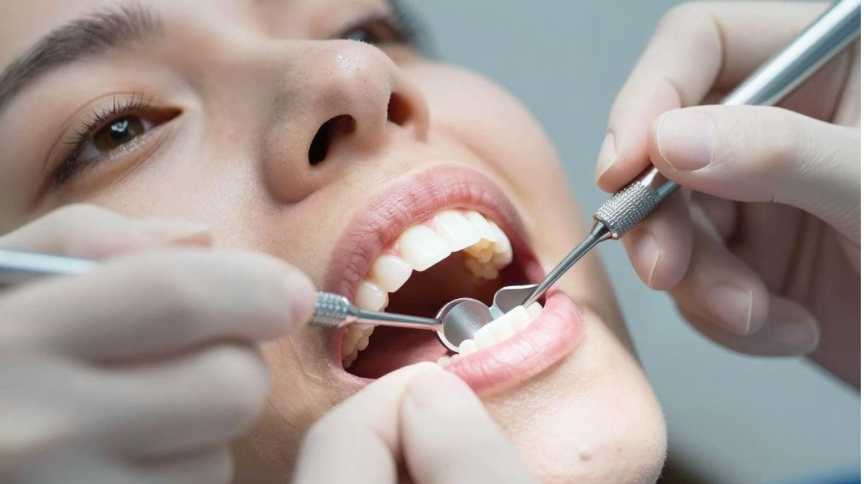
The process typically starts with an examination. The dental hygienist will look over your teeth and gums, sometimes using a small mirror, to spot any areas that might need extra attention. They're checking for things like plaque, tartar, and any signs of potential issues.
Next comes the actual cleaning. This involves removing plaque and tartar. Plaque is that sticky film of bacteria that forms on your teeth, and if it's not removed, it can harden into tartar (also called calculus). Tartar is much harder to get rid of and can only be removed by a dental professional using special tools called scalers. These tools help gently scrape away the buildup, especially in those hard-to-reach spots between teeth and along the gum line.
After the plaque and tartar are gone, your teeth will likely be polished. This is usually done with a special gritty toothpaste and a rotating brush. It helps to smooth the tooth surface, making it harder for plaque to stick and giving your teeth a nice shine. You might even get to pick a flavor for the polish!
Flossing is another key part of the cleaning. The hygienist will floss between each tooth to remove any remaining plaque or debris that the brushing might have missed. This step also helps them see if your gums bleed easily, which can be a sign of gum irritation.
Finally, you'll usually rinse your mouth to get rid of any leftover polish or debris. Sometimes, a dentist will do a quick final check after the cleaning to make sure everything looks good and to answer any questions you might have.
Factors That Influence How Long a Teeth Cleaning Takes
So, you're wondering what makes one teeth cleaning appointment take a bit longer than another? It's not just a random thing; a few different things can play a role.
First off, how often you actually go to the dentist matters. If you're keeping up with your regular check-ups, usually every six months, your cleaning will likely be pretty straightforward. But if it's been a while since your last visit, there might be more plaque and tartar buildup. This hardened stuff, called calculus, takes more time and effort to remove properly. The longer you wait between cleanings, the more time the appointment might take.
Another thing is the condition of your mouth. If you have any gum issues, like gingivitis or more advanced periodontal disease, the hygienist might need to spend extra time cleaning below the gum line. This is sometimes called a "deep cleaning" and involves more detailed work to get things healthy again. It's not just about scraping off plaque; it's about treating the gums too.
Common Factors Affecting Appointment Time
- Frequency of visits: Regular attendees usually have shorter appointments.
- Amount of plaque and tartar: More buildup means more cleaning time.
- Gum health: Issues like gingivitis or periodontitis require more attention.
- Need for X-rays: If it's time for new X-rays, that adds a bit to the appointment duration.
- Additional treatments: Sometimes, a fluoride treatment or a discussion about a specific dental concern can extend the visit.
Sometimes, if there are specific concerns or if you need things like X-rays taken during the same visit, the appointment might stretch a bit longer than the typical 30-60 minutes. It's all about what your mouth needs at that particular time.
Step-by-Step Breakdown of a Typical Cleaning Appointment
- Initial Examination: Hygienist checks your mouth for any immediate concerns.
- Plaque and Tartar Removal: Using specialized tools to clear away buildup.
- Polishing: Smoothing tooth surfaces with a gritty paste and brush.
- Flossing: A detailed clean between teeth and along the gum line.
- Final Dentist Check: A quick review to ensure overall oral health.
Once everything is checked and you're given the green light, you'll likely be advised to schedule your next cleaning in about six months.
Benefits of Regular Teeth Cleanings Beyond Time Savings
- Disease Prevention: Helps prevent gum disease and tooth decay by removing plaque and tartar.
- Early Detection of Problems: Hygienist and dentist examine for cavities, gum disease, and oral cancer.
- Fresher Breath: Eliminates odor-causing bacteria.
- Stain Removal: Polishing removes surface stains from coffee, tea, wine, and other foods.
Skipping these appointments might seem like a way to save time or money in the short term, but it can lead to more complex and expensive procedures later on. Keeping your regular dental cleaning schedule is a smart choice for a healthy smile and a healthy you.
Wrapping Up Your Dental Cleaning Visit
So, how long does a dental cleaning really take? For most people, a standard cleaning appointment usually wraps up in about 30 minutes to an hour. This timeframe covers everything from checking your teeth and gums to removing plaque and tartar, polishing, and a final look from the dentist. Of course, if X-rays are needed or if there's a bit more buildup than usual, it might stretch a little longer. Keeping up with these regular appointments, typically every six months, helps prevent bigger issues down the road, meaning your future cleanings might even be quicker.
Frequently Asked Questions
How long does a typical teeth cleaning appointment usually last?
Most routine teeth cleanings take between 30 minutes to an hour. This timeframe can change depending on a few things, like how much plaque and tartar have built up on your teeth and whether you need X-rays taken.
What happens during a professional teeth cleaning?
A dental hygienist will first check your teeth and gums. Then, they'll remove plaque and tartar using special tools. After that, they'll polish your teeth to make them smooth and shiny, and finish by flossing. Sometimes, X-rays or a fluoride treatment are also part of the visit.
Why do some teeth cleanings take longer than others?
If it's been a while since your last cleaning, or if you have a lot of plaque and tartar buildup, the cleaning might take longer. Also, if the dentist needs to take X-rays or perform other checks, this adds to the appointment time.
Can a teeth cleaning make my teeth whiter?
Yes, a professional cleaning can make your teeth look whiter. By removing plaque, which can appear yellow, and polishing away surface stains, your teeth will look brighter and cleaner.
Is a teeth cleaning painful?
Generally, teeth cleanings are not painful. You might feel some mild sensitivity, especially if there's a lot of tartar buildup or if you have sensitive gums. The tools used are designed to be safe and effective.
How often should someone get their teeth cleaned?
Most dentists recommend having your teeth professionally cleaned at least twice a year, or every six months. However, some people might need more frequent cleanings if they have specific dental issues like gum disease.
Blog Post Author

Contributed by Dr. Lee Herman
Dr. Lee Herman has been serving the Boca Raton community since 1994. Coming from a long lineage of dentists, he carries on a family tradition rooted in integrity and a genuine passion for patient care. As the founder of West Boca Dental Care, Dr. Herman leads a multidisciplinary team dedicated to providing comprehensive, high-quality treatment all under one roof. He combines advanced dental technology with a warm, patient-focused philosophy to ensure every visit is comfortable, effective, and personalized.