

How to Keep Your Teeth Healthy with Periodontal Disease
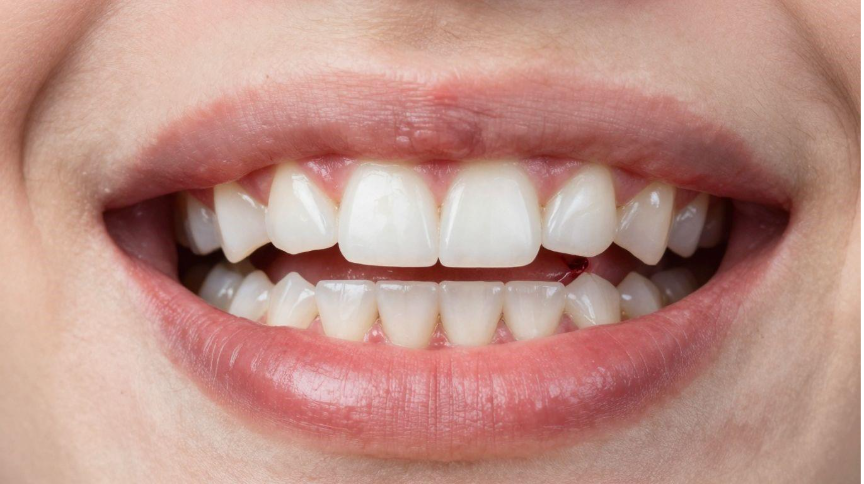
Periodontal disease, often called gum disease, can be a real worry. Many people wonder if they'll end up losing their teeth because of it. The good news is that with the right approach, it's often possible to keep your natural teeth for a long time, even with gum disease. This guide will look at what gum disease does, how long teeth might last, and what treatments can help.
Key Takeaways
- Periodontal disease, if not treated, damages the tissues and bone that hold teeth in place, potentially leading to tooth loss.
- The lifespan of teeth with periodontal disease varies greatly depending on the severity, overall health, and consistent treatment adherence.
- While gingivitis (early gum disease) is reversible, more advanced stages require ongoing management to prevent further damage and tooth loss.
- Treatments for periodontal disease range from deep cleanings (scaling and root planing) to surgical procedures and medications, all aimed at saving natural teeth.
- Effective management of periodontal disease, combined with good oral hygiene, offers the best chance of keeping teeth for a lifetime.
What Periodontal Disease Does to Teeth Over Time
Periodontal disease, often called gum disease, doesn't just appear out of nowhere. It's a progressive condition that starts subtly and can cause significant damage if left unchecked. Initially, it might just be gingivitis, where your gums become red, swollen, and bleed easily when you brush or floss. At this stage, the infection is limited to the gums themselves, and importantly, there's no damage to the bone supporting your teeth. This early phase is reversible with good oral hygiene.
However, if gingivitis isn't treated, it can advance to periodontitis. This is where things get more serious. Bacteria start to creep below the gum line, attacking the tissues and bone that hold your teeth in place. You might notice your gums starting to pull away from your teeth, creating little pockets. These pockets become breeding grounds for more bacteria, making them hard to clean with regular brushing and flossing. As the disease progresses, the bone supporting your teeth begins to deteriorate.
Stages of Periodontal Disease
- Gingivitis: Red, swollen, bleeding gums. No bone loss yet. Reversible.
- Early Periodontitis: Gums recede, forming pockets. Some bone loss begins. Condition can be managed.
- Moderate Periodontitis: More significant gum and bone destruction. Teeth may loosen or shift. Pus might appear, and bad breath can worsen. This stage can develop in about a year to 16 months from early periodontitis without treatment.
- Advanced Periodontitis: Severe bone loss. Teeth become very loose and may eventually fall out. The entire mouth can be at risk.
The bacteria responsible for periodontal disease can also enter the bloodstream, potentially impacting other areas of your body. Research is ongoing to understand the links between gum disease and conditions like diabetes and heart disease.
Can Teeth Last a Lifetime With Periodontal Disease?
It's a common worry: "Can you keep your teeth with periodontal disease?" The honest answer isn't a simple yes or no, and there's no magic number for how long teeth last with gum disease. It really depends on a few things. The good news is that with proper care and treatment, many people can keep their natural teeth for their entire lives, even with periodontal disease.
Think of your gums and the bone supporting your teeth as the foundation of a house. Periodontal disease is like a slow erosion of that foundation. If left unchecked, it weakens the support system, and eventually, teeth can become loose and even fall out. This is why understanding the lifespan of teeth with periodontal disease is so personal; it's tied to how advanced the disease is, your overall health, and how diligently you follow through with treatment.
Does periodontal disease always cause tooth loss? Not necessarily. Early stages, like gingivitis, can often be reversed with good oral hygiene. However, once it progresses to periodontitis, it becomes a chronic condition. While lost bone and tissue might not fully grow back, the disease can be managed. The goal then shifts to stopping its progression and preserving the teeth you have.
So, can teeth be saved with advanced periodontal disease? Yes, often they can, but it requires prompt and consistent professional care. The longer you wait, the more challenging it becomes. It's not like a cavity where you might lose one tooth; advanced periodontal disease can affect multiple teeth at once because it attacks the supporting structures.
Factors Influencing Tooth Longevity
- Severity of the Disease: Early detection and treatment make a huge difference.
- Your Overall Health: Conditions like diabetes or stress can impact your body's ability to fight infection and heal.
- Treatment Adherence: Following your dentist's or periodontist's recommendations is key. This includes regular cleanings, prescribed medications, and any recommended procedures.
- Home Care Routine: Brushing twice a day and cleaning between your teeth daily are non-negotiable.
Treatment Options That Help Preserve Natural Teeth
When periodontal disease is diagnosed, it's important to know that there are several treatments to keep teeth with periodontal disease from being lost. The approach taken often depends on how advanced the disease is. For milder cases, treatments might focus on cleaning and managing the infection. More advanced stages may require surgical interventions to repair damage and prevent further deterioration.
Common Treatment Paths
- Scaling and Root Planing: A deep cleaning process that removes plaque and tartar from above and below the gum line. The root surfaces of the teeth are then smoothed to help the gums reattach and reduce pocket depth.
- Antimicrobial Therapy: Medications like antibiotics, taken orally or applied directly to the gums, to control bacterial infection.
- Surgical Procedures:
- Pocket Reduction Surgery: Lifting gum tissue to clean deep pockets and repositioning gums to reduce pocket size.
- Bone Grafts: Regenerate lost bone for more stable teeth.
- Soft Tissue Grafts: Cover exposed roots and improve gum line appearance.
- Regenerative Treatments: Encourage regrowth of bone and gum tissue lost to disease.
- Laser Therapy: Remove diseased tissue and tartar with less discomfort and faster healing.
The goal is to stop disease progression, reduce inflammation, and save natural teeth. Even after treatment, ongoing maintenance and good home care are vital.
Benefits of Keeping Your Natural Teeth
- Chewing and Digestion: Natural teeth break down food effectively, supporting digestion.
- Speech Clarity: Teeth help form words; losing them can affect speech.
- Facial Structure: Teeth support your face; losing them can change facial appearance.
- Bone Health: Roots stimulate the jawbone; missing teeth lead to bone shrinkage.
What Happens If a Tooth Cannot Be Saved
Sometimes, even with the best efforts, a tooth may be too damaged to save. Extraction may be necessary to prevent infection, further bone damage, pain, or difficulty chewing and speaking. Replacement options include bridges, dentures, or implants.
The Bottom Line on Keeping Your Teeth
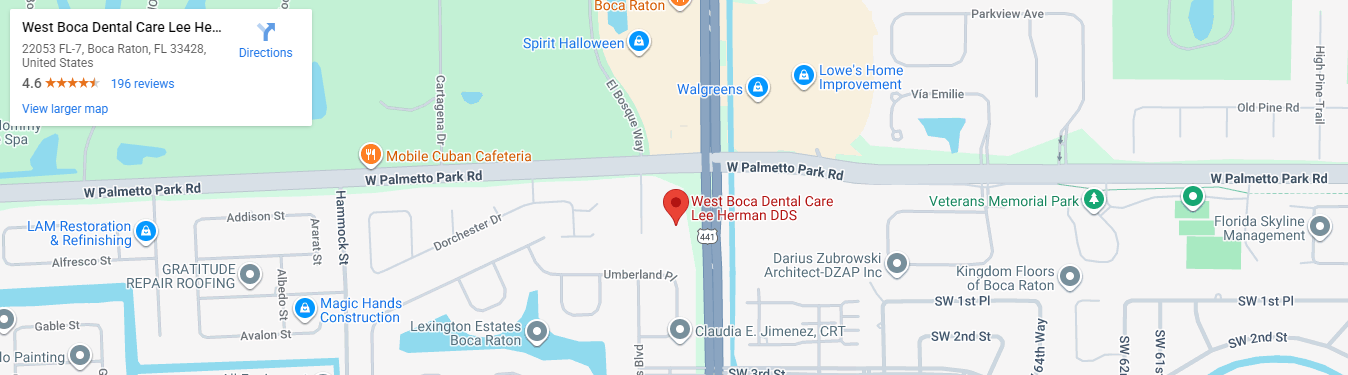
How long can you keep your teeth with periodontal disease? It depends on early detection, consistent treatment, and good oral hygiene. Even with advanced disease, proper management can preserve natural teeth and support a healthy, functional smile. Contact our office if you are concerned about your gum health or have noticed symptoms such as persistent bad breath, receding gums, or loose teeth. Visit West Boca Dental today to learn how our personalized periodontal therapy plans can help you maintain a healthy, stable, and lasting smile.
Frequently Asked Questions
Can periodontal disease be completely cured?
It cannot be fully cured because bone and tissue damage may not regenerate, but it can be managed to prevent further tooth loss.
How quickly does periodontal disease progress?
Progression varies per person depending on severity, health, and treatment adherence. It can take months or years.
What are the first signs of periodontal disease?
Red, swollen, or bleeding gums, persistent bad breath, bad taste in the mouth, or gums pulling away from teeth.
Is it possible to keep my natural teeth for a lifetime?
Yes, especially if detected early and managed consistently with professional care and daily oral hygiene.
What happens if periodontal disease is left untreated?
Untreated disease can damage bone, loosen teeth, cause tooth loss, and bacteria may affect overall health.
Can stress affect my gum health?
Yes, stress weakens the immune system, making it harder to fight infections, including gum disease.
Blog Post Author

Contributed by Dr. Lee Herman
Dr. Lee Herman has been serving the Boca Raton community since 1994. Coming from a long lineage of dentists, he carries on a family tradition rooted in integrity and a genuine passion for patient care. As the founder of West Boca Dental Care, Dr. Herman leads a multidisciplinary team dedicated to providing comprehensive, high-quality treatment all under one roof. He combines advanced dental technology with a warm, patient-focused philosophy to ensure every visit is comfortable, effective, and personalized.