

In-Office vs. Take-Home Teeth Whitening: Which Is Better?
How In-Office and Take-Home Teeth Whitening Work
In-office and take-home whitening both use peroxide-based products to lighten certain types of tooth discoloration. The main difference is where the treatment happens, how closely the process is supervised, and how quickly the whitening agent is applied. Neither option is automatically better for everyone; the right choice depends on your teeth, schedule, comfort level, and expectations.
An in-office treatment begins with an examination of your teeth and gums. Your dental professional may clean away surface buildup, protect your gums and lips, and apply whitening gel to the visible tooth surfaces, with the gel remaining in place for controlled periods.
Because the process happens in the dental office, the clinician can monitor your comfort and make adjustments as needed, and the appointment is concentrated into one visit appealing when you have a special event or do not want to manage several days of treatment at home.
Dentist-provided take-home whitening usually involves trays made to fit your teeth and a professional whitening gel.
You receive instructions about how much gel to use, how long to wear the trays, and how often to repeat treatment, and the gradual schedule gives you more control over the pace of whitening. Custom trays also help keep the gel in contact with the intended surfaces while limiting unnecessary contact with the gums, though you still need to follow directions closely, since using extra gel or wearing the trays longer does not necessarily improve the result.
How Over-the-Counter Kits Differ
Over-the-counter kits can include strips, trays, pens, or other applicators. They are generally easier to purchase without an appointment, but the fit, formulation, and instructions vary widely, and a one-size-fits-most tray may not sit as evenly as a custom tray if your teeth are crowded or differently shaped. These products can be useful for some surface stains, but they do not include a professional examination—if discoloration comes from decay, a damaged tooth, gum disease, or an internal change in the tooth, whitening at home may not address the real problem.
Comparing Whitening Results and Treatment Speed
The biggest practical difference in the in-office vs. take-home decision is usually speed. In-office treatment compresses the process into a supervised appointment, while take-home treatment spreads it across repeated sessions over several days or weeks.
The final change still depends on the original shade, the kind of stain, and how carefully you follow the instructions. Whitening changes the color of natural tooth structure, but it does not change the shade of existing restorations—keeping that distinction in mind helps you set a realistic goal for your cosmetic dentistry plan.
Age, enamel condition, diet, tobacco use, oral hygiene, and the source of the discoloration can all influence the outcome, and not every stain responds equally to peroxide. Existing fillings, crowns, and veneers can add another layer of complexity because their color does not change through ordinary whitening. Our crowns and bridges team can review the visible parts of your smile and explain whether the expected result will look even, and our veneers page covers an alternative when whitening alone will not achieve an even shade.
Safety and Comfort Considerations
Whitening is generally a conservative cosmetic treatment when used appropriately, but comfort should be part of the decision. Temporary sensitivity and gum irritation are the side effects people discuss most often, and the risk is influenced by the product, exposure time, tray fit, and the health of your teeth and gums.
A dental professional can look for cavities, cracks, worn enamel, exposed roots, or inflamed gums before treatment, since whitening should not be used to mask an untreated dental problem.
Some people notice brief sensitivity to cold air, water, or sweet foods during or after whitening. In-office treatment may feel more intense because the whitening is concentrated, while take-home treatment can still cause sensitivity if the gel is overused. Gum irritation usually occurs when whitening gel contacts the soft tissue—poorly fitting trays, excess gel, or wearing a tray longer than directed can make the problem more likely, so use only the amount recommended and wipe away visible excess before wearing a tray.
When Whitening May Not Be Appropriate
Whitening may need to wait if you have untreated decay, active gum disease, significant cracks, or severe sensitivity. It may also be less useful when the discoloration is inside the tooth or when most of the visible smile consists of restorations—treating the underlying issue comes before cosmetic brightening. Children and teenagers, people who are pregnant or nursing, and anyone with complex dental conditions should discuss whitening with a qualified dental professional rather than relying on a generic schedule.
Comparing Cost and Convenience
Cost is only one part of the comparison. An in-office appointment may cost more upfront but requires less daily effort, while professional take-home trays may spread the work across several sessions and sometimes have a lower initial price.
Fees vary by location, dental practice, treatment materials, and whether an examination or cleaning is needed first. Think about the total commitment, not just the advertised treatment price—a product that fits your schedule and is used correctly may offer better value than a cheaper option that causes discomfort or is abandoned halfway through.
In-office whitening asks for a block of appointment time, followed by little or no daily treatment management. Take-home whitening requires repeated sessions, but those sessions may fit around your normal routine. Consider where you are most likely to be consistent—a shorter daily routine that you actually complete may be more useful than a theoretically convenient option that keeps getting postponed.
Which Option Fits Your Teeth and Lifestyle
In-office whitening may suit people who want a noticeable change within a short window and prefer to have the process managed by a professional, and it can be especially practical before a wedding, photo session, or interview. Still, schedule it early enough to allow any temporary sensitivity to settle and to discuss uneven color if it appears.
Take-home trays may suit people who prefer to whiten gradually and choose when sessions happen, working treatment into their routine without arranging a longer cosmetic appointment. The tradeoff is that the result depends more heavily on consistent use and careful handling of the gel. Sensitivity does not automatically rule out whitening, but it should shape the plan—tell your dentist if cold drinks already cause discomfort or if you have reacted to whitening products before, and avoid combining several whitening products without professional advice.
Maintaining Your Whitening Results
Whitening is not permanent. Results gradually fade as teeth are exposed to coffee, tea, red wine, deeply colored foods, tobacco, and ordinary aging. Good brushing, regular dental care, and sensible eating habits can help maintain the change, but most people eventually need some form of touch-up. Rinsing with water after colored drinks and using a straw when appropriate are practical habits that can help extend results.
Brush twice daily with a soft-bristled brush and clean between your teeth regularly. Professional cleanings can remove surface buildup that makes teeth look darker, while routine examinations can catch problems before they interfere with your appearance.
There is no universal touch-up calendar—your dentist can tell you whether a previous tray and gel remain suitable or whether your mouth needs to be reassessed, and you should schedule an examination rather than automatically repeating treatment if you develop new sensitivity, pain, or gum changes.
How to Decide Between the Two Options
The choice becomes clearer when you separate the goal from the method. Ask whether your priority is speed, flexibility, lower upfront cost, close supervision, or minimizing sensitivity, then confirm that the option you prefer is appropriate for the condition of your teeth and any visible dental work.
Choose an in-office consultation when speed and professional supervision are the main priorities, consider dentist-provided take-home trays when flexibility and gradual control matter most, ask for a sensitivity-focused plan if cold drinks already bother your teeth, and discuss restorations before either option if crowns, veneers, or fillings are prominent in your smile. A short conversation at our Boca Raton office can prevent an expensive mismatch between your expectations and what whitening can realistically change.
Conclusion
In-office and take-home whitening can both brighten natural teeth, but they offer different balances of speed, supervision, flexibility, comfort, and cost. An examination helps identify stains or dental conditions that whitening will not fix and clarifies how restorations may affect the final appearance. Once those details are understood, choosing between a concentrated appointment and a gradual home routine becomes a practical personal decision rather than a search for one universally superior option.
Frequently Asked Questions
Is in-office whitening better than take-home whitening?
Neither is always better. In-office whitening is usually more convenient when you want a faster visible change, while take-home trays offer a gradual schedule and more control over when treatment happens.
How long does in-office teeth whitening take?
The appointment length depends on the treatment plan, the number of applications, and any preparation required. Your dental office should explain the expected appointment time before treatment.
How long does take-home whitening take to work?
Take-home whitening generally requires repeated sessions over days or weeks. The exact schedule depends on the product, the concentration, and the instructions provided for your teeth.
Does teeth whitening hurt?
Some people experience temporary sensitivity or gum irritation. These effects are more likely when products are overused or allowed to contact the gums, so follow the directions and report persistent discomfort.
Can whitening remove every type of stain?
No. Whitening is more predictable for some surface discoloration than for deep or internal changes. According to the American Dental Association, whiteners may not correct all types of discoloration—yellow teeth typically bleach well, while brown or gray-toned teeth may respond poorly or not at all.
Will whitening change my fillings, crowns, or veneers?
Most restorations do not lighten in the same way as natural teeth. Whitening can therefore create a shade difference if visible restorations are already part of your smile.
How can I keep my teeth white after treatment?
Brush and clean between your teeth consistently, attend routine dental visits, and limit frequent exposure to strongly colored foods, drinks, and tobacco. Ask your dentist when a touch-up is appropriate rather than repeating treatment automatically.
About the Author
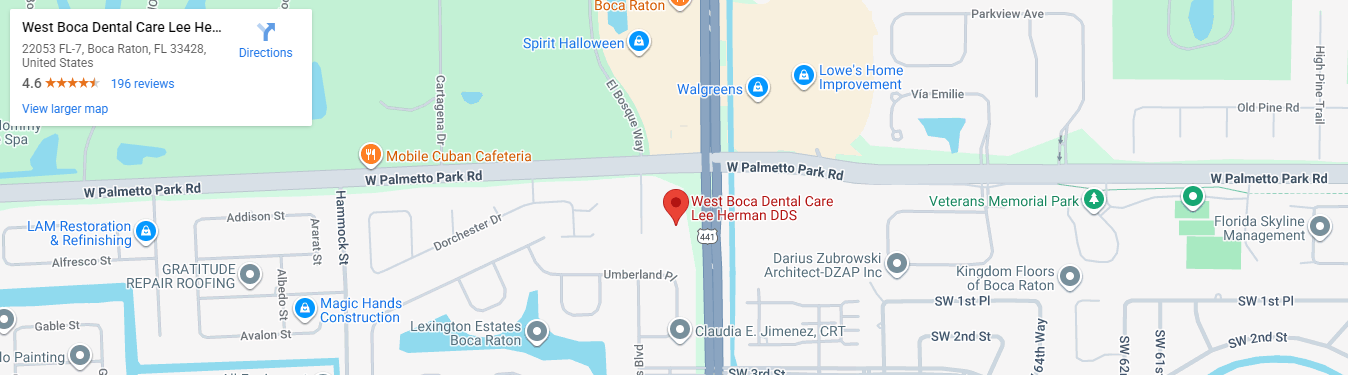
West Boca Dental Care has served Boca Raton, FL and the surrounding communities since 1994. The practice is led by Dr. Lee Herman, D.D.S., a general dentist and owner, along with Dr. Jeffrey Shiffman, D.M.D., offering both in-office and take-home professional teeth whitening options for patients throughout West Boca Raton.
Disclaimer
The information provided in this article is for educational purposes only and does not constitute professional medical or dental advice, diagnosis, or treatment recommendations. Whether whitening is appropriate for you can only be determined through an in-person evaluation. Always consult your dentist with any questions regarding your treatment.
Blog Post Author

Contributed by Dr. Lee Herman
Dr. Lee Herman has been serving the Boca Raton community since 1994. Coming from a long lineage of dentists, he carries on a family tradition rooted in integrity and a genuine passion for patient care. As the founder of West Boca Dental Care, Dr. Herman leads a multidisciplinary team dedicated to providing comprehensive, high-quality treatment all under one roof. He combines advanced dental technology with a warm, patient-focused philosophy to ensure every visit is comfortable, effective, and personalized.