

What Happens During a Root Canal and Is It Really Painful?

So, you've heard the term "root canal" and maybe your palms are getting a little sweaty. Let's break down what actually goes on during this dental procedure. The main goal is to save a tooth that's in trouble, usually because of an infection or some serious damage to the soft stuff inside, called the pulp. Think of it like cleaning out a messy room so you can keep the house standing.
When it comes to timing, it's not a one-size-fits-all deal. For simpler cases, you might be in and out in about an hour. However, if the tooth is a bit more complicated, like a molar with several roots, it could stretch to an hour and a half, or even a bit longer. Most of the time, you'll only need one or two visits to get it all done.
Here's a rough idea of how long each part might take:
- Numbing up: About 5-10 minutes. This is key so you don't feel a thing.
- Making an opening: Another 5-10 minutes. This is how the dentist gets to the problem area.
- Cleaning out the gunk: This can take anywhere from 15 to 40 minutes. It involves removing the infected pulp and making sure everything inside is super clean.
- Filling and sealing: About 10-20 minutes. They fill up the cleaned-out spaces to keep things sealed.
- Final touches: This part varies a lot and might need a separate appointment, especially if you're getting a crown.
It's important to remember that modern dentistry has come a long way. With good anesthesia and the right tools, what happens during a root canal procedure is often much less scary than people imagine. The focus is on getting you comfortable and fixing the tooth effectively.
Basically, the dentist is carefully cleaning out the inside of your tooth, making sure all the bad stuff is gone, and then sealing it all up to prevent future issues. It's a detailed process, but the end result is saving your natural tooth.
Root Canal Procedure Step by Step Explained
So, you're wondering what actually goes down during a root canal? Let's break down the root canal procedure step by step explained, like a dentist would explain the root canal process explained by dentist, but without all the fancy jargon. It's not as scary as it sounds, honestly.
First off, you get a good dose of local anesthetic. This is the most important part for comfort. They'll make sure the area is totally numb, so you shouldn't feel any pain during the actual work. Think of it like getting a filling, but maybe even more numbing.
Here’s a general rundown of what happens:
- Numbing Up: The dentist injects local anesthetic to make sure the tooth and the surrounding gums are completely numb. This usually takes about 5-10 minutes.
- Making an Entrance: A small opening is made in the top of the tooth to get to the inner chamber where the pulp lives.
- Cleaning Out the Mess: The dentist carefully removes the infected or damaged pulp from inside the tooth and its root canals. Then, they clean and disinfect these canals thoroughly.
- Sealing the Deal: Once everything is clean and dry, the canals are filled with a special material, usually something called gutta-percha, and then sealed up.
- The Finishing Touch: Often, a temporary filling is placed, and you'll come back for a second appointment to get a permanent filling or a crown. This crown helps protect the tooth and restore its normal shape and function.
What does each stage of the root canal process involve?
Each part of the root canal process explained has its own job. The numbing part is all about your comfort. The opening is just to get access. The real work is cleaning out the infection and then sealing it up tight so nothing else can get in. The final step, whether it's a filling or a crown, is about making sure the tooth is strong and works like it should again.
It's important to remember that the goal of a root canal is to save your natural tooth. By removing the infected pulp and sealing the inside, the dentist is essentially stopping the infection from spreading and preventing you from losing the tooth altogether. It's a way to keep your smile intact.
Here’s a rough idea of how long each bit might take, though it can vary:
| Stage | Typical Duration | What Happens |
|---|---|---|
| Anesthesia Application | 5-10 minutes | Numbing the tooth and surrounding area. |
| Access Opening | 5-10 minutes | Creating a small hole to reach the pulp. |
| Pulp Removal & Cleaning | 15-40 minutes | Removing infected tissue and disinfecting canals. |
| Filling and Sealing | 10-20 minutes | Filling the cleaned canals to seal the space. |
| Final Restoration | Varies | Placing a filling or crown (often a separate visit). |
So, while it sounds like a lot, it's a pretty straightforward process designed to get you out of pain and save your tooth. The most significant part for you is that modern dentistry makes this procedure very manageable and comfortable.
Is a Root Canal Painful — What to Really Expect
Okay, let's talk about the big question: is a root canal painful? You've probably heard stories, maybe from your grandma or a friend of a friend, that make it sound like a medieval torture device. But honestly, that's mostly old news. Modern dentistry has come a long way, and what used to be a dreaded procedure is now surprisingly comfortable.
Does a root canal hurt more during or after the procedure?
Most people's biggest fear is the pain during the root canal itself. Here's the good news: thanks to really good local anesthesia, you shouldn't feel much, if anything, while the dentist is working. They numb the area up so well, it's often compared to getting a filling. The pain you might have been feeling before the root canal? That was likely from the infection or inflammation inside your tooth. Getting rid of that infected pulp is the whole point, and it usually brings relief.
Now, after the procedure, you might feel some soreness or sensitivity. Think of it like this: your tooth has been through a bit of a medical procedure. It's not unusual to feel a little tender for a day or two. This discomfort is usually mild and can be managed with over-the-counter pain relievers like ibuprofen or acetaminophen. It's definitely not the severe, throbbing pain people used to associate with root canals.
Here's a quick rundown of what to expect regarding pain:
- During the procedure: Minimal to no pain due to effective local anesthesia.
- Immediately after: Mild soreness or sensitivity is common.
- A few days later: Discomfort should significantly decrease and eventually disappear.
It's important to remember that the pain you experience is often a sign of the infection that the root canal is designed to fix. Once that infection is gone, the toothache should subside, and the procedure itself is made as comfortable as possible.
So, if you're worried about whether a root canal is painful, what to expect is usually a much more comfortable experience than you might imagine. The goal is to relieve your pain, not add to it!
Root Canal Treatment — What Really Happens Inside the Tooth
So, you're wondering about the nitty-gritty of root canal treatment, what actually goes on inside that tooth? It's not as scary as it sounds, honestly. Think of it like a deep clean for the inside of your tooth's roots.
How do dentists ensure you feel comfortable during a root canal?
First off, comfort is a big deal. Dentists know that the idea of a root canal can make people a bit anxious. That's why they're pretty generous with the numbing stuff. You'll get a local anesthetic, just like when you get a filling, to make sure the area is completely numb. For those who are extra nervous, there are options like sedation to help you relax. The goal is for you to feel as little as possible during the procedure. They'll also use a dental dam, which is like a small sheet of rubber, to keep the area clean and dry and to stop you from swallowing anything. It sounds a bit odd, but it's super helpful for keeping things sterile and comfortable.
Here's a quick rundown of what happens:
- Numbing Up: The dentist injects local anesthetic to make sure the tooth and surrounding gums are totally numb.
- Keeping it Clean: A dental dam is placed to isolate the tooth.
- Access Granted: A small opening is made in the top of the tooth to get to the pulp inside.
- Cleaning Out: The infected or damaged pulp is carefully removed using tiny instruments.
- Disinfect and Seal: The inside of the tooth is cleaned and disinfected, then filled with a special material to seal it up.
- The Final Touch: A temporary or permanent filling is placed, and often, a crown will be recommended later to protect the tooth.
The whole process is designed to remove the source of pain and infection, saving your natural tooth. It's a way to stop the problem from getting worse and causing more serious issues down the line.
It's really about cleaning out the stuff that's causing trouble inside the tooth. This includes the pulp, which is the soft tissue containing nerves and blood vessels. When this gets infected or inflamed, that's when the pain kicks in. The dentist's job is to get all that out, clean the space thoroughly, and then seal it up tight so nothing bad can get back in.
Root Canal Process Explained — Recovery and Aftercare Tips
So, you've had your root canal. What's next? Don't worry, it's usually not a big deal. Most people bounce back pretty quickly, often within a few days. You might feel a little tender or sensitive, especially when you bite down, but that's normal. Think of it like a mild soreness after a good workout – your body just needs a little time to heal.
Here’s a quick rundown of what to expect and how to take care of yourself:
- Ease back into eating: For the first day or two, stick to softer foods. Think mashed potatoes, yogurt, smoothies, or well-cooked pasta. Avoid anything too hard or sticky that could put pressure on the treated tooth or dislodge that temporary filling.
- Keep it clean: Brushing and flossing are still super important! Just be a little gentle around the treated area for the first day or so. Your dentist might also suggest an antibacterial mouthwash to help keep things clean and fight off any lingering germs.
- Hands off (mostly): Try not to chew directly on the tooth that had the root canal, especially before you get your permanent crown. This gives it the best chance to heal properly and prevents any accidental damage.
- Skip the smoke: If you smoke, now's a really good time to take a break. Smoking can really slow down the healing process, and you want to give your tooth the best chance to recover.
The most important thing is to follow your dentist's specific instructions. They know your situation best and can give you the most tailored advice.
Remember, the goal of a root canal is to save your tooth. Taking good care of it afterward is key to making sure it lasts for a long, long time. It’s a small effort for a big payoff – keeping your natural smile intact!
Conclusion
So, what happens during a root canal and is it really painful? The short answer is that a root canal is a procedure to save a damaged tooth, and thanks to modern dental care, it's usually not painful at all. In fact, it often relieves the pain you were feeling before! While some soreness afterward is normal, it's usually manageable. Getting a root canal is a great way to keep your natural tooth, which is almost always better than losing it. If your dentist suggests one, try not to worry too much – it's a routine procedure that can really help your smile.
Frequently Asked Questions
What exactly is a root canal?
A root canal is a dental treatment to fix a tooth that's badly decayed or infected inside. Think of the inside of your tooth like a soft center with nerves and blood vessels. When that gets messed up, a root canal cleans it out and seals it up to save the tooth.
How long does a root canal take?
Most root canals can be done in about an hour or so, sometimes a bit longer if the tooth is tricky. Usually, it's just one or two visits to the dentist. It's not a super long process, especially compared to how much pain you might be in before it.
Does a root canal hurt during the procedure?
Nope, not really! Dentists use strong numbing medicine (local anesthesia) so you shouldn't feel any pain while they're working. It's often compared to getting a filling – maybe a little pressure, but no sharp pain.
Will I feel pain after the root canal?
You might feel some soreness or tenderness for a few days after, kind of like when you bump your tooth. But it's usually mild and can be handled with regular pain relievers you can buy at the store, like ibuprofen. It's way less pain than the toothache you had before!
Why is a root canal needed?
You need a root canal if the soft stuff inside your tooth (the pulp) gets infected or damaged. This can happen from a deep cavity, a crack, or if the tooth gets injured. If you don't get it fixed, the infection can get worse and cause a lot more problems.
Is a root canal better than pulling the tooth?
For sure! Saving your natural tooth is almost always the best option. A root canal lets you keep your tooth, which helps with chewing and keeps your smile looking normal. Pulling a tooth can cause other teeth to shift and can lead to more dental work down the road.
Blog Post Author

Contributed by Dr. Lee Herman
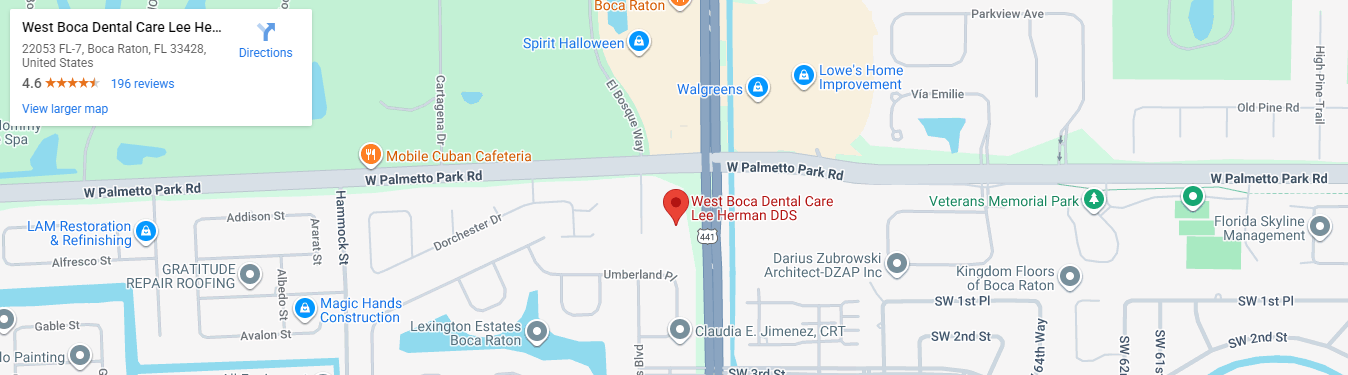
Dr. Lee Herman has been serving the Boca Raton community since 1994. Coming from a long lineage of dentists, he carries on a family tradition rooted in integrity and a genuine passion for patient care. As the founder of West Boca Dental Care, Dr. Herman leads a multidisciplinary team dedicated to providing comprehensive, high-quality treatment all under one roof. He combines advanced dental technology with a warm, patient-focused philosophy to ensure every visit is comfortable, effective, and personalized.