

What Happens to Your Teeth If You Ignore Gum Disease
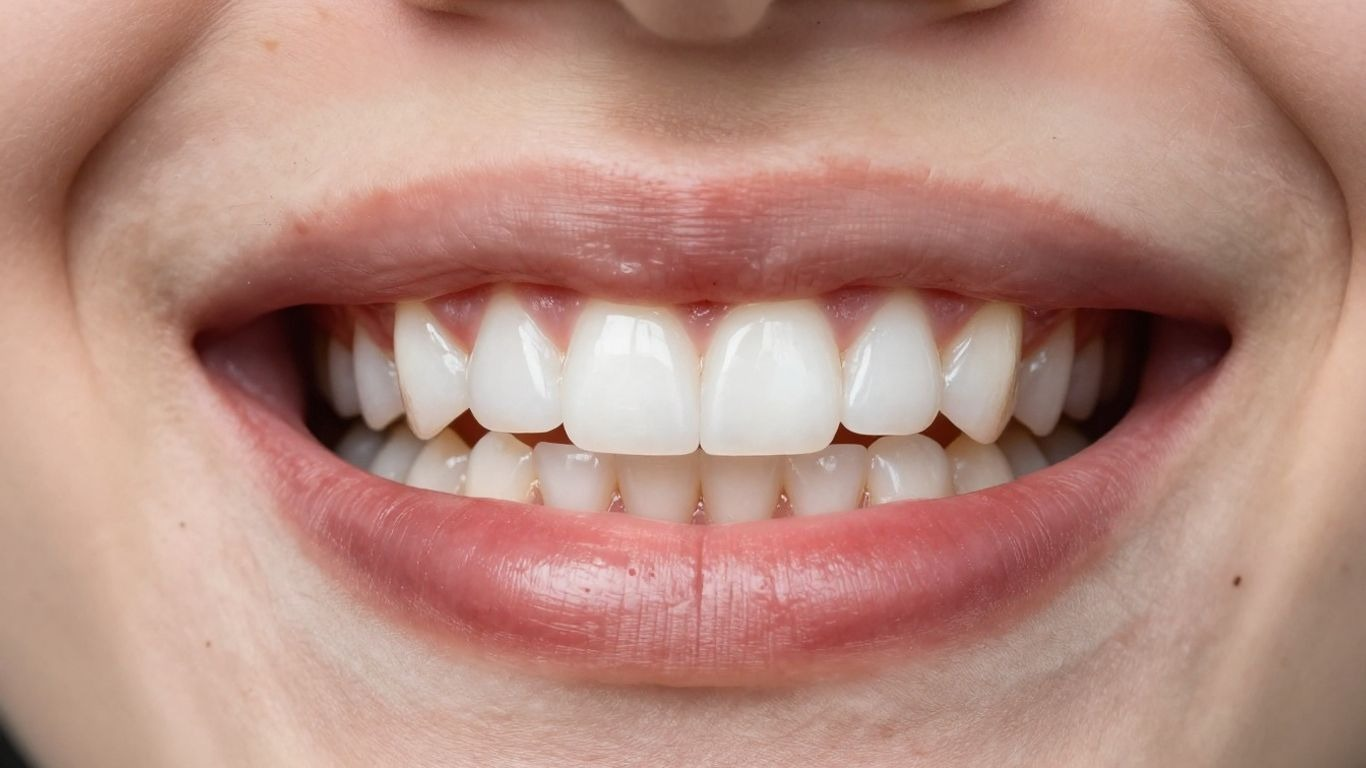
It’s easy to brush off a little bleeding when you floss or notice your gums look a bit red. But here’s the thing: ignoring these early signs of gum disease is way more serious than you might think. What happens to your teeth if you ignore gum disease? Well, it’s not pretty. It’s like a small crack in your windshield that you ignore – eventually, it can spread and cause much bigger problems.
Why ignoring early gum disease is more dangerous than you think
When you first notice your gums are a bit puffy or bleed easily, you’re likely dealing with gingivitis, the early stage. It’s usually caused by plaque buildup, and the good news is, it’s often reversible with better oral hygiene and a professional cleaning. But if you skip those dental check-ups and keep ignoring the symptoms, gingivitis can march right on into periodontitis. This is where things get really dicey.
Periodontitis is when the infection starts to attack the very structures that hold your teeth in place – the gums, the bone, and the fibers. Once this happens, the damage is often permanent, and it’s a slippery slope from there.
Here’s a quick look at what happens when gum disease goes untreated:
- Gingivitis progresses: The mild inflammation turns into a more serious infection.
- Gum recession: Your gums start to pull away from your teeth, making them look longer and leaving sensitive roots exposed.
- Bone loss: The infection eats away at the jawbone that supports your teeth.
- Tooth loosening and loss: Without proper support, teeth can become loose and eventually fall out.
It’s a domino effect, and once it starts, it’s hard to stop without professional help. So, that little bit of bleeding? It’s your mouth’s way of shouting for attention before things get really bad.
Consequences of Untreated Gum Disease on Your Teeth
What happens when gum disease goes untreated for years
So, you've been skipping those dentist appointments, maybe ignoring that little bit of bleeding when you brush. It's easy to do, right? But here's the deal: ignoring gum disease is like ignoring a leaky faucet. It might seem small now, but it can turn into a big, messy problem.
When you let gum disease hang around, it doesn't just stay in your gums. It starts to mess with the stuff holding your teeth in place. We're talking about the bone and tissues that act like anchors for your pearly whites. As the infection gets worse, these anchors start to weaken.
Here’s a breakdown of what can happen:
- Receding Gums: Your gums might start to pull away from your teeth. This makes your teeth look longer and can leave the roots exposed, which is super sensitive and can lead to more problems.
- Bone Loss: This is a big one. The infection eats away at the jawbone that supports your teeth. Over time, this bone loss can make your teeth feel loose.
- Tooth Loosening and Loss: When the bone and tissues can't hold your teeth anymore, they start to wiggle. Eventually, if nothing is done, teeth can fall out completely. This is actually the main reason adults lose their teeth.
- Persistent Bad Breath: That not-so-fresh breath you can't seem to get rid of? It's often a sign of the bacteria causing gum disease. Brushing more won't fix it if the underlying infection is still there.
It's important to remember that gum disease doesn't just affect one tooth. It can spread, impacting multiple teeth and the overall structure of your mouth. The damage can become permanent, and fixing it later often means more complex and expensive treatments.
Think of it like this:
| Stage of Gum Disease | What's Happening to Your Teeth/Gums |
|---|---|
| Gingivitis (Early) | Gums are red, swollen, and bleed easily. |
| Periodontitis (Moderate) | Gums pull away, bone starts to erode. Teeth may feel slightly loose. |
| Advanced Periodontitis (Severe) | Significant bone loss, teeth are very loose or may fall out. |
The consequences of untreated gum disease are serious and can lead to a complete loss of your natural teeth if left unchecked. It's not just about looks; it affects how you eat, speak, and even your overall health.
Gum Disease Long Term Effects on Teeth and Gums
Bone loss, tooth loss, and receding gums explained
So, you've been ignoring those little bleeds when you brush, or maybe that persistent bad breath? It's easy to do, but letting gum disease stick around for years can really mess with your mouth. We're talking about more than just a cosmetic issue here; the gum disease long term effects on teeth and gums can be pretty serious.
When gum disease, specifically the advanced stage called periodontitis, takes hold, it's like a slow-motion demolition of your mouth. The bacteria don't just hang out on your gums; they start to burrow down, attacking the very foundation of your teeth – the bone. This is called bone loss, and it's a big deal.
As the bone that anchors your teeth starts to disappear, your gums have less to hold onto. They begin to pull away from the teeth, creating little pockets. This is what we call receding gums. You might notice your teeth starting to look longer, or feel a bit more sensitive because the root surfaces are exposed. It's not a good look, and it's definitely not a good feeling.
And the ultimate consequence of all this? Tooth loss. When the bone is gone and the gums have receded significantly, your teeth lose their support system. They can become loose, shift around, and eventually, they might just fall out. It's a domino effect, and once it starts, it's hard to stop without professional help.
Here's a quick rundown of what happens:
- Gingivitis: The early stage. Gums get red, swollen, and bleed easily. Usually reversible with good hygiene and a dentist's help.
- Mild Periodontitis: Plaque and tartar creep below the gum line. The bone starts to get a little damaged.
- Moderate Periodontitis: More bone is lost, gums recede more, and teeth might start to feel a bit wiggly.
- Severe Periodontitis: Significant bone loss, major gum recession, teeth are very loose, and can fall out. This stage often comes with persistent bad breath and pain.
It's important to remember that gum disease doesn't just affect one tooth at a time. If left untreated, it can spread and impact multiple teeth, leading to widespread problems in your mouth. The damage can be permanent, and the treatments to fix it can get pretty involved and expensive.
Losing teeth isn't just about your smile. It affects how you eat, how you speak, and can even change the shape of your face over time as the jawbone continues to shrink. It's a cascade of problems that all start with neglecting your gums.
Dangers of Ignoring Periodontal Disease Beyond Your Mouth
Links between gum disease and heart, diabetes, and overall health
It’s easy to think of gum disease as just a mouth problem, right? Like, it’s just about your teeth and gums. But honestly, ignoring periodontal disease can mess with your whole body. We’re talking about some pretty serious stuff that goes way beyond a little bleeding when you brush.
When you have gum disease, your mouth is basically hosting a party for nasty bacteria. This inflammation doesn't just stay put. It can actually get into your bloodstream and travel around, causing problems elsewhere. It’s like a small fire in your house that, if left unchecked, can spread and damage more than just the room it started in.
Here’s a look at some of the bigger health concerns linked to ignoring your gums:
- Heart Health: Studies have shown a connection between gum disease and heart issues. The inflammation from your gums can contribute to clogged arteries, increasing your risk for heart attack and stroke. It’s not a direct cause-and-effect for everyone, but it’s definitely a risk factor you don’t want to add to the pile.
- Diabetes Management: If you have diabetes, gum disease can make it way harder to control your blood sugar. And on the flip side, high blood sugar can make gum disease worse. It’s a nasty cycle that can lead to more complications from diabetes.
- Other Health Woes: Research is also looking into links between gum disease and things like rheumatoid arthritis, respiratory infections, and even certain types of cancer. The chronic inflammation seems to play a role in how your body fights off other problems.
Basically, your mouth is connected to the rest of you. What happens in your gums doesn't just stay in your gums. Taking care of your oral health is a surprisingly big part of taking care of your overall health.
So, while you might be focused on saving your teeth, remember that the dangers of ignoring periodontal disease extend much further. It’s a reminder that a healthy mouth is a big piece of a healthy life.
How to Treat Gum Disease Before It Damages Your Teeth
Okay, so you've noticed your gums are a little red, maybe they bleed when you brush, or you've got that not-so-fresh breath thing going on. Don't freak out, but also, don't ignore it. This is usually gingivitis, the early stage of gum disease, and the good news is, it's totally reversible. The absolute best way to tackle it is by getting professional help and stepping up your home game.
Think of it like this: your dentist is the expert mechanic for your mouth. They can spot things you can't and have the tools to fix them. Regular dental check-ups and cleanings are your first line of defense. Your dentist will give your teeth a deep clean, getting rid of that stubborn plaque and tartar buildup that brushing alone just can't touch. They'll also check how deep those little pockets are between your gums and teeth – bigger pockets mean more trouble.
Here’s what you can do at home to keep things in check:
- Brush like you mean it: Aim for twice a day, for at least two minutes each time. Use a soft-bristled brush and get all the surfaces of your teeth.
- Floss like a boss: Seriously, don't skip this. Once a day, get that floss between every single tooth. It’s the only way to clean those tight spots where gunk loves to hide.
- Rinse and repeat (if needed): Your dentist might suggest an antimicrobial mouthwash to help kill off some of those nasty bacteria.
- Watch what you eat: Cutting back on sugary snacks and drinks can make a big difference. A balanced diet helps your whole body, including your gums.
If you're a smoker, quitting is one of the biggest favors you can do for your gums and your overall health. It's tough, I know, but so worth it.
If your gum disease has progressed a bit, your dentist might recommend more specific treatments. This could involve a deeper cleaning procedure called scaling and root planing, which basically smooths out the tooth roots to make it harder for bacteria to stick around. Sometimes, they might even suggest antibiotics or other medications. The key is to catch it early, when these simpler methods can save your smile from more serious problems down the road.
So, What's the Takeaway?
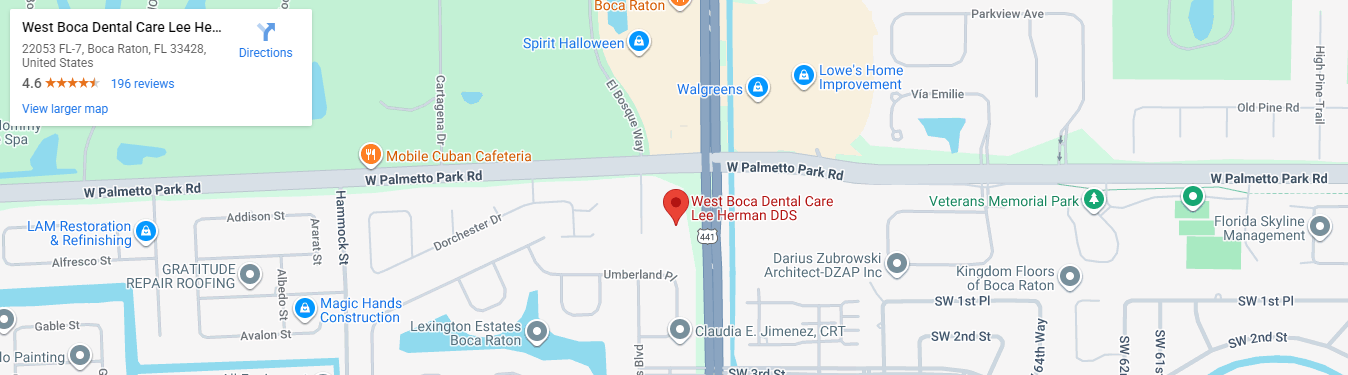
Look, ignoring gum disease is basically like playing with fire. What starts as a little bleeding or puffiness can snowball into losing teeth, messing with your jawbone, and even impacting your heart health. It’s not just about having a nice smile; it’s about your overall well-being. The good news? It’s usually treatable, especially if you catch it early. So, if you’ve been putting off that dental check-up or ignoring those little warning signs, now’s the time to stop. Your mouth, and your body, will thank you for it. Visit West Boca Dental today to protect your smile and restore your oral health with our expert care.
Frequently Asked Questions
What are the first signs that gum disease is starting?
Often, the very first clue that your gums aren't happy is when they bleed a little while you're brushing or flossing. You might also notice your gums look a bit red or puffy, and sometimes, you can get breath that just won't go away.
Can gum disease really make me lose my teeth?
Yes, it absolutely can. If you don't get gum disease treated, it can damage the parts of your mouth that hold your teeth in place, like your gums and jawbone. Over time, this can make your teeth loose and eventually fall out. It's actually a major reason why adults lose teeth.
What happens if I just ignore gum disease?
Ignoring gum disease is like ignoring a small problem that can turn into a big one. It starts with swollen, bleeding gums (gingivitis) and can get much worse, turning into periodontitis. This is when the infection digs deeper, damaging the bone and tissues supporting your teeth, leading to tooth loss and other serious health issues.
Does gum disease affect more than just my mouth?
Yes, it does. Research shows that gum disease can be linked to other health problems. It might increase your risk for things like heart disease, stroke, and can make it harder to manage conditions like diabetes. The inflammation from gum disease can spread throughout your body.
How do dentists check for gum disease?
Dentists have a few ways to check. They'll look at your gums for redness and swelling, see if they bleed easily, and measure the 'pockets' between your gums and teeth – bigger pockets can mean trouble. They might also use X-rays to check if your jawbone is weakening.
Is it possible to fix gum disease once it gets bad?
It's best to catch gum disease early when it's easier to treat and sometimes even reverse. If it gets more advanced, it can cause permanent damage like bone loss and receding gums. While dentists can treat advanced gum disease to stop it from getting worse, they can't always undo all the damage that's already been done.
Blog Post Author

Contributed by Dr. Lee Herman
Dr. Lee Herman has been serving the Boca Raton community since 1994. Coming from a long lineage of dentists, he carries on a family tradition rooted in integrity and a genuine passion for patient care. As the founder of West Boca Dental Care, Dr. Herman leads a multidisciplinary team dedicated to providing comprehensive, high-quality treatment all under one roof. He combines advanced dental technology with a warm, patient-focused philosophy to ensure every visit is comfortable, effective, and personalized.