


What Is the Relationship Between Diabetes and Oral Health?
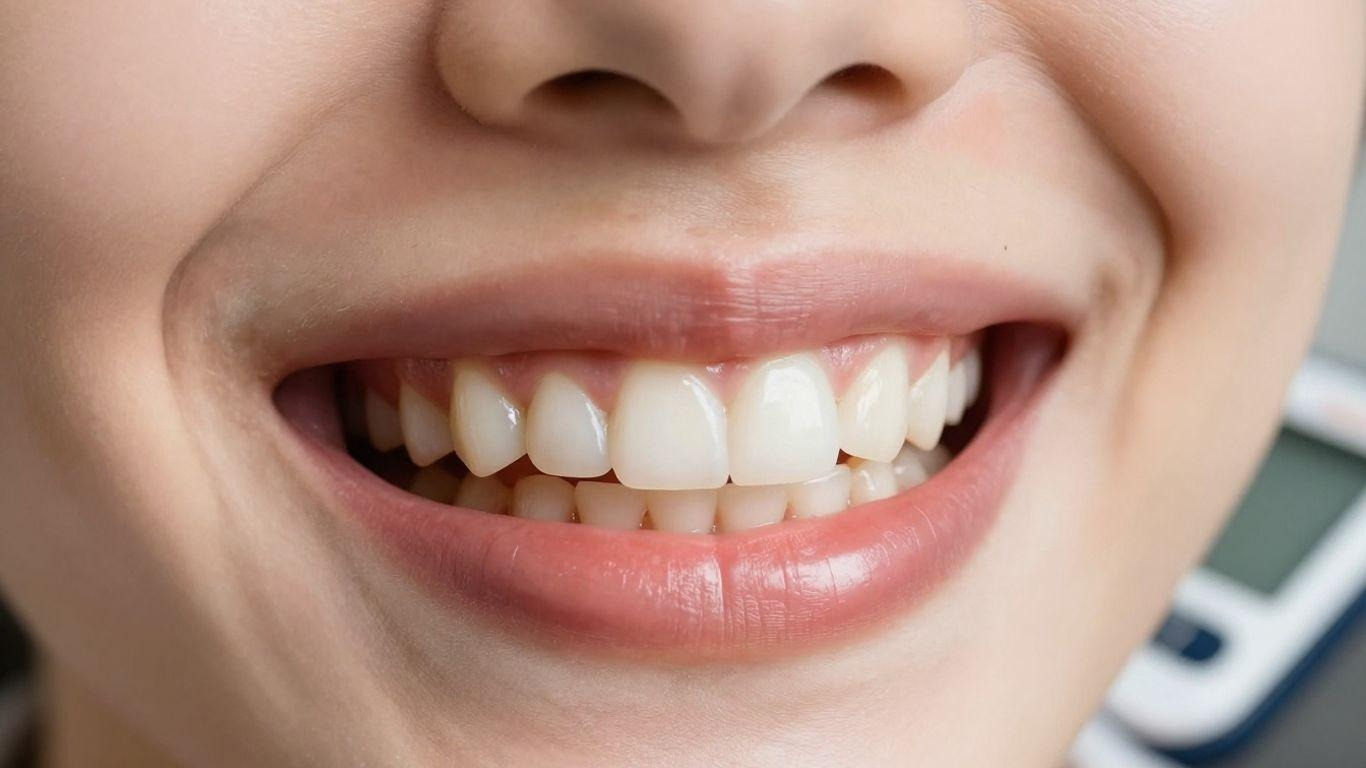
It might seem like diabetes only affects your blood sugar, but it actually has a pretty big impact on your mouth, too. There's a real connection, a two-way street, between diabetes and oral health. If you have diabetes, you're more likely to run into dental problems, and those dental problems can sometimes make managing your diabetes a bit trickier.
Why are diabetic patients more vulnerable to dental problems?
So, why does diabetes put your mouth at higher risk? It boils down to a few things. When your blood sugar levels are consistently high, it can mess with your body's ability to fight off infections. Think of it like this: your body's defense system gets a bit sluggish. Plus, that extra sugar in your blood can also end up in your saliva. This creates a buffet for the not-so-great bacteria that live in your mouth. These bacteria love to feast on sugar, leading to more plaque buildup. And all this can pave the way for gum disease and other issues.
Here's a quick rundown of what can happen:
- Gum Disease: This is a big one. High blood sugar can lead to inflammation in your gums, making them red, swollen, and prone to bleeding. If left unchecked, it can get serious and even affect the bone supporting your teeth.
- Dry Mouth: Sometimes, diabetes can reduce the amount of saliva you produce. Saliva is super important for washing away food particles and bacteria. Without enough of it, your mouth can feel dry and sore, and you might get more cavities or infections.
- Slower Healing: If you do get an infection or have dental work done, your body might take longer to heal when you have diabetes, especially if your blood sugar isn't well-controlled.
It's not just about having a sweet tooth; it's about how sugar levels in your body affect everything, including the tiny organisms living in your mouth. Keeping those sugar levels in check is a major step in protecting your smile.
It's important to remember that these issues don't just appear overnight. By taking good care of your diabetes and your oral hygiene, you can significantly lower your risk.
How Diabetes Affects Teeth and Gums Over Time
So, you've got diabetes, and you're probably aware it can mess with your eyes, nerves, and kidneys. But did you know your mouth is also on the front lines? High blood sugar levels don't just hang out in your bloodstream; they can also show up in your saliva. This creates a buffet for the not-so-great bacteria that live in your mouth, giving them plenty of fuel to grow.
This can lead to a few common issues:
- Gum Disease: This is a big one. Diabetes can make you more prone to gum infections, like gingivitis (the early stage) and periodontitis (the more serious kind). Think swollen, red, and bleeding gums. If left unchecked, it can even lead to teeth becoming loose and eventually falling out.
- Dry Mouth: Ever feel like your mouth is just… parched? Diabetes can reduce saliva production. Saliva is super important because it washes away food bits and neutralizes acids. When you don't have enough, food particles and bacteria stick around, increasing your risk for cavities and infections.
- Slower Healing: If you do get an infection or have dental work done, your body might take a bit longer to bounce back. This means gum disease can be harder to treat, and recovery times might be extended.
Can poor oral health make diabetes harder to control?
It's kind of a two-way street. Just as diabetes can impact your oral health, problems in your mouth can make managing your diabetes more challenging. When you have a persistent infection like gum disease, your body is in a constant state of inflammation. This inflammation can actually make it harder for your body to use insulin effectively, leading to higher blood sugar levels. So, keeping your mouth healthy isn't just about fresh breath; it's about helping to keep your diabetes in check too.
Diabetes and Gum Disease Connection — What You Need to Know
It's a bit of a two-way street when it comes to diabetes and gum disease. If you have diabetes, especially if your blood sugar levels aren't quite where you want them, your body's response to the bacteria in your mouth can be a bit over the top. This extra inflammation can really mess with the tissues that hold your teeth in place, making gum disease more likely and potentially more severe. On the flip side, having gum disease, which is basically an infection in your gums, can actually make it harder for you to manage your diabetes. It's like a constant low-level infection that can throw your blood sugar levels out of whack.
Does treating gum disease help improve blood sugar levels?
Yes, it really can. When you get gum disease under control, you're reducing that chronic inflammation throughout your body. This can make your body more responsive to insulin, which is a big win for managing your blood sugar. Think of it this way: getting your gums healthy is another tool in your diabetes management toolbox.
Here are some things to watch out for:
- Gums that look red, swollen, or bleed easily, especially when you brush or floss.
- Persistent bad breath that doesn't go away.
- Gums that seem to be pulling away from your teeth, making them look longer.
- Teeth that feel loose or wobbly.
It's not just about your teeth and gums; the inflammation from serious gum disease can actually impact how well your body uses insulin. So, keeping your mouth healthy is a pretty big deal for your overall diabetes control.
It's estimated that people with diabetes are about three times more likely to develop gum disease compared to those without diabetes. And sometimes, severe gum disease can be the first sign that someone might have undiagnosed type 2 diabetes. So, if your dentist notices something concerning with your gums, they might suggest you get checked out by your doctor.
Oral Health Problems Caused by Diabetes
When you have diabetes, especially if it's not well-managed, your mouth can become a bit of a magnet for trouble. It's not just about cavities; diabetes can really mess with your gums and lead to other issues too. High blood sugar levels can weaken your body's ability to fight off infections, making your mouth more vulnerable.
Here are some of the common oral health problems you might face:
- Gum Disease (Periodontitis): This is a big one. Diabetes increases your risk for gum disease, which can range from mild inflammation (gingivitis) to a serious infection that damages the bone holding your teeth. If you have diabetes, your gums might get red, swollen, and bleed easily. It can also take longer to heal.
- Dry Mouth (Xerostomia): Feeling like your mouth is constantly parched? Diabetes can reduce saliva flow. Saliva is super important because it washes away food bits and neutralizes acids. Without enough of it, you're more prone to cavities, mouth sores, and infections.
- Thrush (Oral Candidiasis): This is a fungal infection that shows up as white patches in your mouth. High sugar levels in your saliva can feed the fungus that causes thrush, making it more likely to develop.
- Slower Healing: If you do get a cut or sore in your mouth, or after dental work, healing might take longer when your diabetes isn't under control. This can make any existing oral problems worse.
It's a bit of a cycle: poor oral health can make managing your diabetes harder, and uncontrolled diabetes can worsen oral health issues. Breaking this cycle is key.
It's important to remember that these problems don't just appear overnight. By keeping your diabetes in check and practicing good oral hygiene, you can significantly lower your risk and keep your smile healthy.
Managing Oral Health With Diabetes — Tips From Dentists
So, you've got diabetes and you're wondering how to keep your mouth happy and healthy? It's totally doable! Taking good care of your teeth and gums is a big part of managing your diabetes overall. Think of it like this: when your blood sugar is high, it's like a buffet for the bad bacteria in your mouth. That can lead to all sorts of problems, from cavities to more serious gum issues.
Here’s the lowdown on what dentists recommend for managing oral health with diabetes:
- Brush Up, Floss Daily: This is non-negotiable. Aim to brush at least twice a day with fluoride toothpaste and floss once a day. Seriously, don't skip the floss – it gets those tricky spots where your toothbrush can't reach.
- Spill the Beans to Your Dentist: Make sure your dentist knows you have diabetes. This helps them keep an extra eye out for any issues that are more common in people with diabetes.
- Watch for Warning Signs: Pay attention to your gums. If they're looking red, swollen, or bleeding easily, especially when you brush or floss, it's time to call your dentist. Don't wait for it to get worse.
- Hydration Station: Diabetes can sometimes make your mouth feel dry. Sipping water throughout the day can help keep things moist and wash away food particles and bacteria.
- Kick the Habit: If you smoke, quitting is one of the best things you can do for your oral health, especially with diabetes. Smoking really makes gum problems worse.
Remember, keeping your blood sugar levels in check is your number one weapon against oral health problems. When your diabetes is well-managed, your mouth will thank you for it. It's a team effort between you, your doctor, and your dentist.
Regular dental check-ups are super important. Your dentist can give you professional cleanings and catch any potential problems early on. Depending on your situation, they might even suggest more frequent visits, maybe every three months, just to be safe and keep everything in tip-top shape.
Conclusion
So, it's pretty clear that diabetes and your mouth have a strong connection. Taking care of your teeth and gums is super important if you have diabetes, and managing your diabetes well can actually help your oral health. Don't forget to brush, floss, and see your dentist regularly. They're your partners in keeping both your body and your smile healthy. It’s all about working together to stay on top of things.
Frequently Asked Questions
Why do people with diabetes get more dental problems?
When your blood sugar is high, it makes it harder for your body to fight off germs. This means bad stuff in your mouth, like plaque, can grow more easily and cause problems with your gums and teeth. It's like giving the bad guys a little advantage.
Can bad gums make diabetes harder to manage?
Yes, it can. When you have gum disease, your body has more inflammation, which can make it tougher for your blood sugar to stay in a good range. It’s like a two-way street; taking care of your gums can help your diabetes, and managing your diabetes helps your gums.
What are the signs of gum disease in diabetics?
Watch out for gums that look red, puffy, or bleed easily, especially when you brush or floss. Sometimes your breath might smell bad, or your gums might seem to pull away from your teeth. If you notice any of these, it's a good idea to see your dentist.
Does treating gum disease help with blood sugar?
Studies suggest that when you get gum disease treated, it can help lower your blood sugar levels. Getting rid of the infection and inflammation in your mouth can make your body respond better to insulin.
What are common mouth issues for diabetics?
Besides gum disease, people with diabetes might get dry mouth, which means you don't have enough spit. This can lead to soreness, infections, and cavities. You might also get a yeast infection called thrush, which shows up as white patches in your mouth.
How can I keep my mouth healthy if I have diabetes?
The best ways are to keep your blood sugar in check, brush your teeth twice a day, and floss every day. Also, see your dentist regularly for checkups and cleanings. Make sure to tell your dentist you have diabetes so they can give you the best care.
Blog Post Author

Contributed by Dr. Lee Herman
Dr. Lee Herman has been serving the Boca Raton community since 1994. Coming from a long lineage of dentists, he carries on a family tradition rooted in integrity and a genuine passion for patient care. As the founder of West Boca Dental Care, Dr. Herman leads a multidisciplinary team dedicated to providing comprehensive, high-quality treatment all under one roof. He combines advanced dental technology with a warm, patient-focused philosophy to ensure every visit is comfortable, effective, and personalized.