

What is an oral and maxillofacial surgeon?
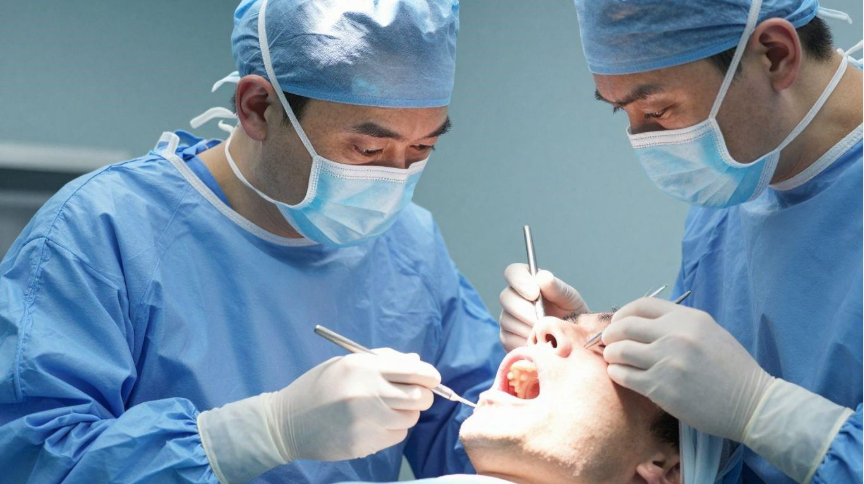
If you've ever wondered, "what is an oral surgeon called?" or "what is an oral and maxillofacial surgeon?"—you're not alone. Many people aren't quite sure what these specialists do or how they're different from a regular dentist. Oral and maxillofacial surgeons are dental specialists who handle everything from tricky tooth extractions to complex jaw surgeries. They work on the mouth, jaw, face, and sometimes even the neck. If your dentist has ever referred you to one, it's usually because your issue needs more advanced care than a general dentist can provide. Let's break down what makes these surgeons unique and what you can expect if you ever need to see one.
Key Takeaways
- Oral and maxillofacial surgeons treat issues involving the mouth, jaws, face, and sometimes the neck.
- They handle everything from wisdom tooth removal to jaw realignment and facial injury repair.
- These surgeons have extra years of education and training beyond dental school.
- Oral surgeons are different from general dentists—they focus on surgery and more complex cases.
- People with facial injuries, jaw problems, or certain dental conditions may benefit from seeing an oral and maxillofacial surgeon.
What Is an Oral and Maxillofacial Surgeon?
An oral and maxillofacial surgeon is a highly trained specialist focused on diagnosing and treating a broad variety of conditions affecting the mouth, jaw, face, and related structures. Some might wonder, what is an oral surgeon or even ask, what is an oral surgeon called—but essentially, this professional is also known as an oral and maxillofacial surgeon, sometimes shortened to OMFS.
What sets an oral and maxillofacial surgeon apart is their advanced surgical training in both dental and medical fields, enabling them to manage everything from minor surgical procedures to complex facial reconstruction. Their work covers not just teeth and gums, but also the bones and soft tissues of the face, jaw, and neck, which makes them unique among dental and medical providers.
These surgeons undergo years of specialized education, first completing dental school and then a rigorous residency focused on surgical techniques and anesthesia. This dual background lets them:
- Correct jaw misalignment and facial deformities
- Treat traumatic facial injuries
- Perform oral pathology procedures, such as tumor removal
- Place dental implants and perform bone grafts
People often see an oral maxillofacial surgeon for issues that require more than what a general dentist can offer, especially if their needs go beyond teeth and involve the bones or soft tissue of the face and jaw.
In summary, if someone asks, “what is an oral and maxillofacial surgeon?” or even, “what is an oral maxillofacial surgeon?”—they’re referring to a specialist with the skill set to treat a wide spectrum of conditions, restoring both function and appearance for patients across all ages.
What Conditions Do Oral and Maxillofacial Surgeons Treat?
Oral and maxillofacial surgeons handle a wide range of problems that impact the mouth, jaw, face, and neck. They’re the specialists you see when dental treatment alone isn’t enough, especially for more complex or surgical needs.
Here are some of the main conditions they treat:
- Impacted wisdom teeth or other tooth extractions that are complicated
- Jaw misalignment, which can cause chewing and speaking issues
- Facial injuries, including broken jaws, cheekbones, or other facial bones
- Dental implants and bone grafting to replace missing teeth and support oral health
- Cysts and tumors in the jaw, mouth, or face
- Surgical treatment for oral, jaw, and facial cancers
- Corrective surgery for cleft lip and palate
- Chronic infections or abscesses in the jaw area
- TMJ (temporomandibular joint) disorders causing pain and jaw movement problems
Most surgeries are outpatient procedures, meaning patients usually go home the same day. The types of conditions seen can be anything from an unexpected facial injury to long-standing problems with jaw structure.
For people facing serious oral or facial issues, seeing a maxillofacial surgeon can help restore not just function but comfort and self-confidence, often after months or even years of discomfort.
These surgeons are not only skilled in handling difficult tooth extractions or rebuilding jaws, but they’re also trained to use anesthesia safely and manage pain during and after surgery. This makes them a go-to resource for anyone needing surgical care in the head, neck, or facial region.
How Is an Oral and Maxillofacial Surgeon Different from a General Dentist?
It's a common question: what sets an oral and maxillofacial surgeon apart from the dentist you see for your regular check-ups? While both work with your mouth, their training and scope of practice are quite different. Think of a general dentist as your primary care physician for your teeth and gums. They handle routine cleanings, fillings, and diagnose common oral health issues.
An oral and maxillofacial surgeon, on the other hand, is a specialist who has undergone extensive additional training beyond dental school. This training focuses specifically on surgery of the face, mouth, jaws, and neck. They are essentially surgical specialists for the entire craniofacial region.
Here's a breakdown of the key differences:
- Education and Training: After completing dental school (which is typically four years after a bachelor's degree), oral and maxillofacial surgeons go through a rigorous hospital-based residency program. This residency can last anywhere from four to six years, and some even pursue a medical degree (MD) during this time. This means they spend many years learning surgical techniques, anesthesia, and managing complex medical conditions related to surgery.
- Scope of Practice: General dentists focus on preventive and restorative dental care. Oral and maxillofacial surgeons handle a much wider range of complex surgical procedures. This includes:
- Correcting jaw misalignments (orthognathic surgery)
- Removing impacted wisdom teeth and other complex extractions
- Placing dental implants
- Treating facial trauma and injuries
- Reconstructing the face and jaws after surgery or trauma
- Diagnosing and surgically treating conditions like oral cancer and facial pain disorders
- Performing cosmetic facial procedures
- Anesthesia Expertise: Oral and maxillofacial surgeons are highly trained in administering various forms of anesthesia, from local anesthesia to deep sedation and general anesthesia, often within their surgical practice. This allows them to perform complex procedures safely and comfortably for the patient.
While a general dentist is your go-to for maintaining oral hygiene and addressing common dental problems, an oral and maxillofacial surgeon is the specialist you'd see for surgical interventions involving the bones and soft tissues of your face, mouth, and jaws.
So, if you have a severely misaligned jaw, need complex reconstructive surgery, or have suffered facial trauma, you'd be referred to an oral and maxillofacial surgeon. They possess a unique blend of dental knowledge and surgical skill to address these more involved conditions.
What to Expect During Treatment
Undergoing care from an oral and maxillofacial surgeon is often different from a regular dental visit, so it helps to know what’s ahead. Patients usually have a pre-surgery consultation to talk through their medical history, the plan, and answer any questions. The actual process varies depending on what’s being treated—some cases might only take a single visit, while more complex situations could require multiple appointments or even stages.
Here’s a general outline of what patients might encounter during treatment:
- You’ll often be asked to bring a trusted friend or family member to drive you home afterward.
- Anesthesia is commonly used, and the type will be discussed in advance (local, sedation, or general anesthesia).
- Once you’re comfortably numb or asleep, the surgeon makes small incisions, using specialized tools for precision.
- Dental images or X-rays may be taken during the procedure for accuracy.
- After surgery, the area is closed with dissolvable stitches or ones to be removed at a follow-up.
After the procedure, you’ll spend some time in a recovery area as the anesthesia wears off.
- Normal symptoms afterward often include swelling, mild bleeding, and some bruising. Prescribed pain medication or instructions for ice packs will help handle discomfort.
- Stitches usually dissolve on their own, or a follow-up visit will be set for removal.
Recovery looks different for everyone and depends on what procedure was done. Minor surgeries like tooth extractions heal in about a week or two, while surgeries on the jaw or face can take quite a bit longer. Patients often get guidelines like eating soft foods, avoiding heavy exercise, and steering clear of alcohol or tobacco for a set period.
It’s common to be nervous before surgery, but having a clear plan and good communication with your surgeon can make all the difference. Ask any questions and share any concerns you have upfront, so there are no surprises on the day of treatment.
Who May Benefit from Seeing an Oral and Maxillofacial Surgeon?
There are a range of individuals who might need the skillset of an oral and maxillofacial surgeon, especially when treatment goes beyond typical dental care. These specialists address complex issues with the mouth, jaw, face, and neck that require surgical or highly technical interventions.
Here are just a few examples of who might benefit:
- People with impacted wisdom teeth, especially those that are causing pain, crowding, or infection
- Individuals with jaw misalignment, leading to trouble chewing or speaking
- Patients needing dental implants to replace missing teeth
- Those requiring facial reconstruction after accidents or trauma
- Anyone seeking repair for facial deformities at birth, such as cleft lip and palate
- People with benign or malignant tumors or cysts in the oral, jaw, or facial regions
- Individuals living with chronic TMJ (temporomandibular joint) pain
- Patients seeking cosmetic facial procedures to improve appearance or function
An oral and maxillofacial surgeon is uniquely trained to restore both function and aesthetics, helping patients regain comfort and confidence.
Typically, referrals come from general dentists, primary care physicians, or after an emergency. But someone experiencing ongoing pain, facial injury, or oral problems that haven't responded to routine care might also benefit from a specialist's review. These professionals often give treatment options and recovery guidance tailored to each patient, making their care personal and focused on long-term health outcomes.
Your Face and Jaw Health in Expert Hands
So, what's the takeaway here? Oral and maxillofacial surgeons are highly trained specialists who handle a lot more than just wisdom teeth. They're equipped to deal with everything from facial injuries and reconstructive needs to jaw alignment issues and even certain types of cancer. Their extensive education, often including both dental and medical training, means they have a deep understanding of the complex structures of your face, mouth, and jaw. If you're facing a condition or injury in this area, seeking out a board-certified oral and maxillofacial surgeon is a smart move for getting the best possible care and results. Contact our office if you require specialized surgical care, from complex tooth extractions to corrective jaw surgery. Visit West Boca Dental today to learn how our team provides comprehensive, expert surgical solutions tailored to your unique needs.
Frequently Asked Questions
What exactly does an oral and maxillofacial surgeon do?
An oral and maxillofacial surgeon is a highly trained medical professional who deals with complex issues affecting the mouth, jaw, face, and neck. They perform surgeries to fix problems, repair injuries, and improve the appearance of these areas. Think of them as specialists for the entire head and neck region, focusing on both function and how things look.
What kinds of problems can they fix?
These surgeons can treat a wide range of conditions. This includes things like jaws that don't line up correctly, wisdom teeth that are stuck, facial injuries from accidents, and even certain types of cancer in the head and neck. They also perform procedures like putting in dental implants and fixing birth differences such as cleft lips and palates.
How is an oral and maxillofacial surgeon different from a regular dentist?
While both dentists and oral and maxillofacial surgeons work with the mouth, the surgeon has much more advanced training in surgery. They typically go to dental school first and then complete several more years of specialized surgical training. This allows them to perform complex operations on the jaw, face, and neck, which a general dentist does not do.
What is the education and training like for these surgeons?
Becoming an oral and maxillofacial surgeon is a long and tough process. After getting a bachelor's degree, they attend dental school for about four years. Then, they go through a hospital-based residency program that lasts four to six years, focusing heavily on surgery. Some even get an extra medical degree during this time. It's a lot of schooling and hands-on practice!
What should someone expect if they need to see one?
If you need to see an oral and maxillofacial surgeon, they will first figure out what's wrong, often with imaging like X-rays. Then, they'll discuss the best treatment options with you, which might involve surgery. They'll explain the procedure, what to expect during recovery, and any follow-up care needed. They also focus on managing pain and making sure you're comfortable.
Who might benefit from seeing this type of specialist?
Many people can benefit. If you have severe jaw pain, a misaligned jaw, need dental implants, have suffered facial trauma, or have certain birth defects like a cleft lip, you might need to see one. Your regular dentist or doctor might also refer you if they find a problem that requires surgical attention in your mouth or face.
Blog Post Author

Contributed by Dr. Lee Herman
Dr. Lee Herman has been serving the Boca Raton community since 1994. Coming from a long lineage of dentists, he carries on a family tradition rooted in integrity and a genuine passion for patient care. As the founder of West Boca Dental Care, Dr. Herman leads a multidisciplinary team dedicated to providing comprehensive, high-quality treatment all under one roof. He combines advanced dental technology with a warm, patient-focused philosophy to ensure every visit is comfortable, effective, and personalized.