

What to Eat After Oral Surgery With Stitches
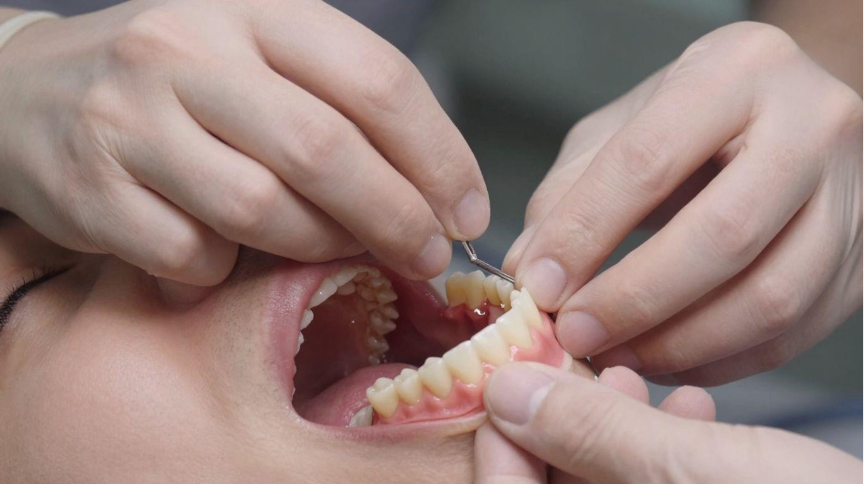
Recovering from oral surgery can be a bit of a challenge, especially when you have stitches. Figuring out what to eat after dental surgery with stitches is important for healing, but it can feel confusing. You want to eat things that are easy on your mouth and help you get better, without causing any problems. This guide will walk you through the best soft foods to eat after oral surgery and some simple tips to make your recovery smoother and more comfortable.
Key Takeaways
- Focus on soft foods after oral surgery with stitches to avoid irritating the healing tissues and to promote a good recovery.
- Immediately after surgery, stick to liquids and very smooth purees, gradually introducing thicker soft foods as you feel more comfortable.
- Nutrient-dense soft foods like smoothies, yogurt, mashed potatoes, scrambled eggs, and broths are excellent for supporting healing.
- Avoid hard, crunchy, sticky, spicy, or very hot/cold foods, as these can cause pain, disrupt stitches, or slow down the healing process.
- Planning soft meals after oral surgery involves choosing foods with a smooth texture, ensuring adequate hydration (without straws), and opting for lukewarm temperatures.
Understanding Stitches and the Healing Process
After oral surgery, stitches are often used to help close wounds and speed up the healing process. These tiny threads hold the edges of the surgical site together, giving your body the best chance to repair itself. It's pretty important to be gentle with the area while those stitches are in place, as they're a key part of making sure everything heals up right.
Think of your stitches as little helpers. They keep things stable so new tissue can grow without getting pulled apart. The mouth is a busy place, constantly moving when we talk, eat, and even just swallow. Because of this, protecting the surgical site is a big deal. The goal is to avoid anything that could irritate, dislodge, or put stress on the stitches and the healing tissue underneath.
Healing after surgery isn't just about the stitches; it's a whole body process. Your body needs good nutrition to rebuild itself. What you eat plays a direct role in how quickly and effectively you recover. Foods that are easy to eat and packed with nutrients can make a real difference. On the flip side, certain foods can actually slow things down or cause problems.
Here's a quick look at what's happening:
- Stitches: These hold tissues together, creating a stable environment for healing.
- Wound Healing: Your body works to close the gap, forming new cells and tissue.
- Inflammation: Some swelling and redness are normal as your body responds to the surgery.
- Nutrition: Proper food intake provides the building blocks for repair.
It's really about giving your mouth the best possible conditions to heal. This means being mindful of what you eat and how you eat it, especially in the days and weeks following your procedure. Being patient and following dietary guidelines will help you get back to normal much faster.
Key Dietary Principles After Oral Surgery With Stitches
When you've had oral surgery and have stitches, what you eat plays a big role in how well you heal. The main goal is to keep the surgical site clean and undisturbed. This means focusing on foods that are easy to eat and won't cause irritation. Prioritizing soft, nutrient-rich foods is the best approach for a smooth recovery.
Think about it: you want to avoid anything that could snag on your stitches, get stuck in the wound, or require a lot of chewing. This is where a soft food diet after oral surgery comes into play. It's not just about comfort; it's about protecting the healing tissues.
Here are some general guidelines to keep in mind:
- Temperature Matters: Avoid foods that are too hot or too cold. Lukewarm or room temperature is ideal. Very hot foods can irritate the surgical area, and extreme cold can sometimes cause discomfort.
- Texture is Key: Stick to smooth, pureed, mashed, or very finely chopped foods. Anything hard, crunchy, or chewy is off the table for now.
- Nutrient Density: Even though you're eating soft foods, make sure they pack a nutritional punch. Protein, vitamins, and minerals are super important for tissue repair.
- Hydration is Crucial: Drink plenty of fluids, but remember to avoid using straws. The sucking motion can dislodge blood clots, which is something you definitely want to avoid.
- Small, Frequent Meals: Eating smaller meals more often can be easier on your mouth and help you maintain your energy levels throughout the day.
Following these principles helps create an environment where your mouth can heal properly without unnecessary stress or complications. It's about being gentle with yourself and your healing tissues.
Best Foods to Eat Immediately After Surgery (First 24–48 Hours)
Right after oral surgery, especially when you have stitches, your mouth needs gentle care. The main goal for the first 24 to 48 hours is to keep things simple and avoid anything that could irritate the surgical site or dislodge your stitches. This means focusing on cool or room temperature liquids and very soft foods that require little to no chewing.
Think of it as giving your mouth a much-needed break. You'll want to stick to things that slide down easily. This is the time to really focus on hydration and getting some basic nutrition without any fuss.
Here are some good options for soft foods to eat after oral surgery during this initial recovery period:
- Clear Liquids: Water, clear broths (chicken, beef, or vegetable), diluted non-citrus juices, gelatin, and non-acidic popsicles.
- Smoothies: Blend bananas or seedless fruits with yogurt or milk. Add protein powder if needed. Avoid straws.
- Yogurt and Pudding: Plain or Greek yogurt, custard, and pudding are easy to swallow and nutritious.
- Mashed Potatoes or Sweet Potatoes: Serve smooth and lukewarm with butter or gravy.
- Scrambled Eggs: Cook until very soft for an easy protein boost.
Remember, the temperature of your food is important. Avoid anything hot for the first day or two. Lukewarm or cool is best to prevent irritation to the healing tissues.
Soft Foods to Introduce as Healing Progresses
As the initial healing phase begins to stabilize, you can gradually reintroduce a wider variety of soft foods. The goal is to keep providing nutrients while still being gentle on your mouth. Focus on textures that require minimal chewing and are easy to swallow.
Incorporating a balanced diet is key to a smoother recovery. Think about foods that are naturally soft or can be easily prepared that way.
- Dairy & Alternatives: Yogurt, cottage cheese, milk, and plant-based milks.
- Proteins: Scrambled eggs, tofu, well-cooked flaky fish, finely ground meats.
- Grains: Oatmeal, cream of wheat, soft pasta, risotto.
- Fruits & Vegetables: Applesauce, mashed sweet potatoes, pureed fruits, very soft cooked vegetables like spinach or zucchini.
Keep foods lukewarm and eat small, frequent meals. If anything causes discomfort, step back to softer options for a few more days.
Foods to Avoid While You Have Stitches
When you have stitches after oral surgery, your mouth is delicate. Certain foods can cause pain, delay healing, or even dislodge stitches. Avoid the following:
- Hard and Crunchy Foods: Nuts, popcorn, chips, hard candies, crusty bread, raw crunchy vegetables.
- Sticky Foods: Caramel, taffy, thick peanut butter — anything that can cling to stitches.
- Spicy Foods: Hot sauces, strong curries, heavily spiced dishes.
- Very Hot or Very Cold Foods: Piping hot soup/coffee or extremely cold frozen foods.
- Foods with Small Seeds or Grains: Seeded berries, seeded bread, or foods that can get lodged in the wound.
If a food requires heavy chewing, is sharp, sticky, or likely to get stuck — skip it until your dentist clears you.
Wrapping Up Your Recovery Diet
Eating after oral surgery with stitches is mostly about being gentle with your mouth. Stick to soft, smooth, lukewarm foods and avoid anything that could irritate the area. From creamy soups and smoothies to soft eggs and yogurt, you still have plenty of satisfying options. Contact our office if you have concerns about your recovery, notice signs of infection, or need specific dietary guidance for your situation. Visit West Boca Dental today to learn how our expert team supports you through every stage of your surgical recovery.
Frequently Asked Questions
How long should someone eat only soft foods after oral surgery?
Most people should follow a soft diet for about 3 to 5 days, though your dentist may recommend longer depending on your procedure and healing.
Why is it important to avoid straws after oral surgery?
Straws create suction that can dislodge the protective blood clot, leading to dry socket. Avoid them for at least one week.
Can I eat spicy foods while I have stitches?
No. Spicy foods can irritate the surgical area and slow healing. Stick to mild foods until fully healed.
What should I drink after oral surgery?
Water, milk, diluted non-citrus juices, and clear broths are best. Drink slowly and avoid straws.
Is it okay to eat ice cream after oral surgery?
Yes, plain ice cream or frozen yogurt can soothe the area. Just avoid varieties with nuts, chocolate chips, or crunchy mix-ins.
What are some good sources of protein for healing?
Great soft protein options include Greek yogurt, scrambled eggs, cottage cheese, protein smoothies, tofu, soft fish, and finely ground meats.
Related services
Related articles
- Implants How many teeth can one dental implant support?
- Implants What is All-on-4 and how does it work?
- Implants Periodontist vs. oral surgeon for dental implants
- Dentures How long does it take to get dentures?
Considering dental implants or oral surgery?
Schedule a consultationBlog Post Author

Contributed by Dr. Lee Herman
Dr. Lee Herman has been serving the Boca Raton community since 1994. Coming from a long lineage of dentists, he carries on a family tradition rooted in integrity and a genuine passion for patient care. As the founder of West Boca Dental Care, Dr. Herman leads a multidisciplinary team dedicated to providing comprehensive, high-quality treatment all under one roof. He combines advanced dental technology with a warm, patient-focused philosophy to ensure every visit is comfortable, effective, and personalized.