

Can You Drive After a Root Canal? What to Plan For

When it’s generally safe to drive
Whether you can drive after a root canal depends mostly on what medication or sedation you receive and how you feel afterward. Many people who have local anesthetic alone remain alert, but your own dentist’s guidance and your condition after treatment matter. Plan to make the decision based on both, not just on the procedure name. If you’re wondering what to expect from the procedure itself, see our root canal treatment page.
Local anesthetic alone usually doesn’t impair driving
Local anesthetic numbs the treatment area without being the same as a sedative. If that is all you receive and you feel steady and alert, driving may be an option. The numbness itself can feel distracting, though, so consider whether you can comfortably focus on the road.
Check how you feel before getting behind the wheel
Give yourself a moment to notice whether you feel normal enough to drive. Pain, anxiety, or an unexpected reaction can change how comfortable you feel, even if you had no sedation. Feeling fully alert matters more than sticking to a tight schedule.
Follow your dentist’s instructions if they differ
Your dental team knows what was used during your treatment and can give instructions specific to your situation. If they advise you not to drive, arrange another way home even if you feel fine.
How sedation can change your plans
Sedation can affect alertness and coordination, so it may change the plan for getting home. Before the appointment, ask what to expect rather than assuming every option has the same restrictions. Patients who feel nervous can learn about dental anxiety options at our office.
Nitrous oxide may have different recovery instructions
Recovery guidance after nitrous oxide can differ from the instructions for oral or IV sedation. Don’t assume you can drive as soon as treatment ends; ask your dental team what applies to you. If you feel lightheaded or unusual, do not drive.
Oral or IV sedation means arranging a ride
Oral and IV sedation can leave you drowsy or less alert after treatment. Arrange for someone else to take you home and follow the specific directions your provider gives you about driving afterward.
Ask how long to wait before driving again
There isn’t one waiting period that fits every type of anesthesia and every patient. This simple comparison can help you frame the question, but your provider’s instructions take priority.
| What you receive | What to ask about driving |
|---|---|
| Local anesthetic alone | Whether driving is okay if you feel alert |
| Nitrous oxide | What recovery steps and timing apply |
| Oral or IV sedation | Who should drive you and when you may drive again |
If the advice is unclear, call the office to confirm rather than guessing on the day of treatment.
What to arrange before your appointment
A little planning can make the trip home less stressful, especially if the treatment plan could include sedation. It’s also helpful to leave room in your schedule in case you need a ride or a quiet recovery period.
Confirm what type of anesthesia you’ll receive
Ask whether your appointment is expected to involve local anesthetic alone or any form of sedation. If the plan might change, find out what the office recommends in that case.
Plan a ride if sedation is possible
If sedation may be used, ask someone you trust to be available for the trip home. A few small details can make that plan more reliable:
- Confirm who will drive you and how to reach them.
- Ask whether the driver should wait nearby or return later.
- Save the dental office’s phone number in your phone.
- Check the office’s instructions about leaving after treatment.
Leave extra time before driving or returning to work
Avoid scheduling a demanding drive or an immediate return to work if you can leave some flexibility. A less crowded schedule makes it easier to follow your dentist’s instructions without rushing.
How you may feel after treatment
People can feel different after a root canal, and the experience may depend on the medication used and how the appointment went. If anything feels off, pause and ask for advice rather than forcing yourself to drive.
Numbness can affect your comfort and concentration
Numbness around your mouth may feel odd and can make talking or drinking less comfortable for a while. It doesn’t necessarily mean you’re impaired, but it may distract you. If you find it hard to focus because of the sensation, wait or arrange another ride.
Soreness or fatigue may make driving unpleasant
You may feel tired after an appointment or notice soreness as the anesthetic wears off. Don’t drive if you’re struggling to stay comfortable and attentive.
Pain medicine can affect alertness and reaction time
Some pain medicines can cause drowsiness or otherwise affect alertness. Follow the advice of your dentist, pharmacist, or prescriber about driving. If a medicine warns against driving or leaves you feeling sleepy, choose another way home.
When not to drive yourself
A cautious decision is the right one if your alertness or coordination feels different from normal. The same applies when your provider has given you a restriction, even if you feel capable of driving.
You feel groggy, dizzy, or lightheaded
Grogginess, dizziness, or lightheadedness can make it harder to respond to changing road conditions. Don’t try to drive through those feelings. Sit somewhere safe and contact your ride or the dental office for help.
You’ve taken medication that causes drowsiness
If you’ve taken a medication that may make you drowsy, do not drive unless your prescriber or dental team has told you it is safe to do so.
Your dentist or sedation provider advises against driving
Follow any no-driving instruction from your dentist or sedation provider. Ask when the restriction ends if that wasn’t made clear.
What to do if you’re unsure
You don’t have to decide alone whether driving is a good idea. The dental office can clarify what was used and what instructions apply, while a friend or family member can help with transportation.
Call the dental office before your appointment
If you’re uncertain about anesthesia, sedation, or driving instructions, call ahead and ask. You can reach us through our contact page.
Ask someone to stay available for the trip home
If there’s a chance you’ll need a ride, ask someone to keep their phone nearby around the time your appointment ends. Confirm the details before the appointment rather than relying on a last-minute favor.
Contact your dentist if symptoms make driving feel unsafe
If you feel dizzy, unusually sleepy, or unable to concentrate, don’t get behind the wheel. If you’re dealing with ongoing tooth pain, see our toothache and dental emergency pages. If symptoms are severe or you’re worried about an urgent health problem, seek appropriate medical help.
Conclusion
After a root canal, driving may be reasonable for some people who receive only local anesthetic and feel alert, while sedation, medication, symptoms, or a provider’s instructions can change the plan. Confirm what you’ll receive, arrange a ride if needed, and make the final decision based on how you feel and the guidance from your dental team. For background on the procedure, see the American Dental Association’s root canal overview.
Frequently Asked Questions
Can you drive after a root canal with local anesthetic?
Often, local anesthetic alone does not prevent someone from driving, but check with your dentist and drive only if you feel alert and comfortable.
Do I need someone to drive me home after a root canal?
You may need a ride if you receive sedation, take medicine that causes drowsiness, feel unwell, or are told not to drive by your provider.
Can I drive after nitrous oxide?
Follow the recovery instructions from your dental team. Ask when it is appropriate to drive, and don’t drive if you feel lightheaded or not fully back to normal.
Can I drive after oral or IV sedation?
Arrange for someone else to drive you and follow your provider’s instructions about when you may drive again.
Does numbness mean I can’t drive?
Not necessarily. Numbness can feel distracting or uncomfortable, so consider whether you can focus and follow your dentist’s instructions before deciding.
Can I drive if I take pain medicine after treatment?
Check the medicine’s instructions and ask your dentist, pharmacist, or prescriber if needed. Do not drive if the medicine causes drowsiness or affects your alertness.
What if I feel dizzy after my appointment?
Don’t drive while dizzy. Sit somewhere safe, contact your dental office for guidance, and arrange another way home.
About the Author
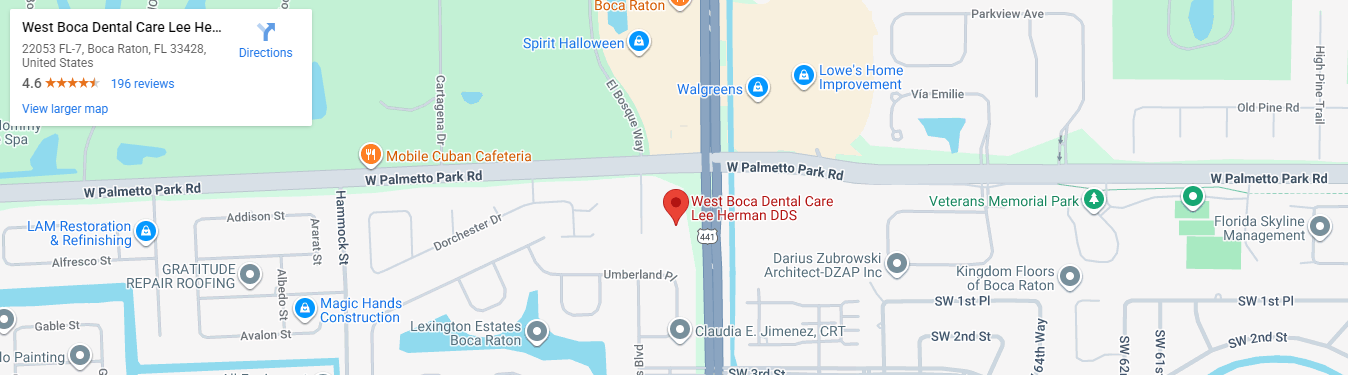
This article was prepared for West Boca Dental Care, 22053 State Road 7, Boca Raton, FL 33428, and reflects the experience of our dental team, led by general dentist and owner Dr. Lee Herman, a 1994 graduate of NYU College of Dentistry who has practiced in Boca Raton for over 25 years. Our team also includes general dentist Dr. Jeffrey Shiffman and dual-degree oral surgeon Dr. Matthew Rand (MD, DMD), a member of the American Association of Oral and Maxillofacial Surgeons.
Disclaimer
This content is for general educational purposes only and is not a substitute for professional dental advice, diagnosis, or treatment. Follow the instructions given by your own dental provider.
Blog Post Author

Contributed by Dr. Lee Herman
Dr. Lee Herman has been serving the Boca Raton community since 1994. Coming from a long lineage of dentists, he carries on a family tradition rooted in integrity and a genuine passion for patient care. As the founder of West Boca Dental Care, Dr. Herman leads a multidisciplinary team dedicated to providing comprehensive, high-quality treatment all under one roof. He combines advanced dental technology with a warm, patient-focused philosophy to ensure every visit is comfortable, effective, and personalized.