

Teeth Whitening for Sensitive Teeth: What Actually Works

Why whitening can trigger tooth sensitivity
Whitening can brighten teeth, but it may also cause temporary sensitivity, especially if your teeth already react to cold or sweets. The discomfort often shows up during treatment or soon afterward and tends to be different from the persistent pain of a dental problem. Knowing what may be happening can help you choose a gentler approach and recognize when it is better to stop and get advice.
How peroxide reaches the inner tooth
Many whitening products use hydrogen peroxide or carbamide peroxide to break down colored compounds in teeth. Peroxide can move through enamel and dentin as it acts on stains. That movement may briefly irritate the pulp, the soft tissue containing nerves and blood vessels inside the tooth, causing a short-lived zing or sensitivity to temperature.
Common causes of sensitivity before whitening
Enamel wear, gum recession, cavities, cracks, and recent dental work can all make a tooth more reactive. If cold drinks or brushing already bother you, existing sensitivity deserves attention before you add a whitening product. A routine dental check-up can help distinguish a general sensitivity pattern from a problem that needs treatment first.
Whitening sensitivity versus a sign of a dental problem
Mild sensitivity that begins during whitening and fades after you stop may be treatment-related. Pain that is sharp, focused on one tooth, triggered by biting, or lingering well after treatment deserves a dental evaluation. Symptoms alone cannot identify the cause with certainty, so do not assume that any toothache is a normal whitening effect.
Which whitening options are gentlest
There is no single best choice for every sensitive mouth. The product’s peroxide concentration, how long it stays on the teeth, and your oral health all matter. Start by considering options that allow you to control exposure.
Lower-strength peroxide and shorter contact time
A lower peroxide concentration or shorter contact time may be easier to tolerate than a stronger, longer application, though results can take more time and sensitivity can still occur. More time is not automatically better.
| Option | How it works | Sensitivity considerations |
|---|---|---|
| Peroxide strips or gels | Bleaching ingredients act on tooth stains | Follow the stated wear time; irritation can occur |
| Whitening toothpaste | Helps remove some surface stains through brushing | Usually does not bleach deeper discoloration |
| Dentist-supervised whitening | A dental professional assesses and guides treatment | A dentist can discuss suitability and ways to manage sensitivity |
The table is a starting point, not a promise about comfort or results. Read the label for the specific product.
Desensitizing ingredients such as potassium nitrate and fluoride
Some oral-care products include potassium nitrate or fluoride to help with sensitivity. They may be used as part of a routine before or during whitening, depending on product directions and a dentist’s advice. These ingredients cannot repair a cavity or crack. If sensitivity is new or worsening, address its cause rather than simply masking it. Our fluoride treatment page explains one in-office option.
Whitening toothpaste: what it can and cannot do
Whitening toothpastes generally work by removing surface stains during brushing; they are not the same as peroxide bleaching. Abrasive formulas may still aggravate sensitive teeth if used too forcefully or too often. Use a soft-bristled brush and stop if brushing becomes uncomfortable.
Dentist-supervised trays versus over-the-counter products
A dentist can examine your teeth and gums, discuss whether whitening is appropriate, and recommend a plan. Over-the-counter products do not include an assessment of cavities, cracks, restorations, or gum health. Neither route guarantees that sensitivity will not happen. Learn more about teeth whitening in Boca Raton.
How to whiten sensitive teeth more comfortably
If you decide to whiten, a cautious start is usually more sensible than trying to get the fastest possible change. A few practical steps can reduce avoidable irritation while keeping you alert to symptoms.
Get a dental checkup before starting
A checkup is especially useful if you have ongoing sensitivity, visible damage, gum recession, or dental work that may affect your plan. Whitening does not treat cavities or other causes of pain, and placing product over an untreated problem can make things worse.
Ease in with spaced-out sessions
Rather than adding extra applications when you want faster results, follow the product’s schedule and pay attention to how your teeth feel between sessions. A simple routine can help:
- Begin only when your teeth and gums feel comfortable, unless your dentist advises otherwise.
- Use the product for the stated time and amount.
- Stop or take a break if sensitivity develops, following the label or your dentist’s guidance.
- Resume only if symptoms have settled and the product directions allow it.
If sensitivity keeps returning, pause and ask a dentist whether a different approach, or no whitening for now, makes sense.
Use desensitizing toothpaste before and during treatment
A toothpaste formulated for sensitive teeth may be worth trying according to its label, but it is not an instant guarantee against discomfort. Brush gently and avoid adding several new products at once, so you can tell what seems to help or irritate your mouth.
Follow product directions instead of extending wear time
Leaving a product on longer or applying it more often does not ensure a better result, and it can increase the chance of sensitivity or gum irritation. Stop if the product causes significant discomfort.
What to expect from different stains
Whitening is most predictable when the discoloration is the kind the chosen treatment can affect. Results vary with the type and depth of staining.
Yellow surface stains that may respond to whitening
Yellowing from common surface stains may respond to whitening, though the degree of change varies. A brighter result is not guaranteed, particularly if the discoloration has more than one cause.
Brown or gray discoloration that may need another approach
Brown or gray discoloration can have several causes, including stains within the tooth or changes associated with injury or aging. It may respond less predictably, and whitening is not always the most appropriate solution. An examination can help identify the cause.
Crowns, veneers, and fillings that will not change color
Whitening products change natural tooth structure, not the color of crowns, veneers, fillings, or other restorations. This can leave a mismatch if natural teeth lighten while restorations remain the same shade. Ask about the likely color difference before you begin, and see our veneers page for restoration options.
What to avoid when teeth are sensitive
Sensitivity is a reason to be measured, not to try a more aggressive method. When in doubt, pause and get guidance instead of layering treatments.
High-strength or overlapping whitening treatments
Using several whitening products at once, or adding sessions beyond the directions, can increase exposure without guaranteeing a better result. If one product is not giving the change you hoped for, check in with a dentist rather than increasing the strength or duration on your own.
Abrasive DIY methods such as charcoal or baking soda scrubs
Scrubbing teeth with abrasive materials can wear or irritate tooth surfaces, especially when pressure is heavy or repeated. For sensitive teeth, stick to products labeled for oral use and brush gently.
Whitening over cavities, cracks, or irritated gums
A cavity or crack can cause sensitivity on its own, and whitening may add discomfort without addressing the underlying issue. Have suspected dental problems checked before starting, and do not apply a whitening product over broken or inflamed areas.
Continuing treatment through sharp or lingering pain
Stop if you develop sharp pain, pain that lingers, or discomfort that is more intense than what the product directions describe. If symptoms do not settle, contact a dentist for advice.
When to pause whitening and contact a dentist
A little sensitivity may settle after you stop, but not every kind of pain should be treated as a routine side effect. If symptoms persist, worsen, or seem unusual, a dentist can evaluate what is going on.
Sensitivity that lasts after treatment stops
If sensitivity continues after you have stopped whitening, avoid restarting until you have spoken with a dentist. Lingering symptoms can have causes unrelated to whitening, including decay or gum recession.
Pain focused on one tooth or triggered by biting
Pain concentrated in one tooth, or pain when biting, is a reason to pause and arrange a dental assessment. It may point to a crack or decay, though only an examination can determine the cause. If it is urgent, see our toothache care page.
Gum irritation, swelling, or other unusual symptoms
Stop using the product if your gums become sore or irritated, or if you notice swelling or another unusual change. Significant swelling or worsening pain warrants prompt advice from a dental professional.
Asking about alternatives if whitening is not a good fit
Whitening is optional. A dentist can discuss whether cleaning, treating an underlying issue, or another cosmetic approach is more appropriate. You do not need to accept pain as the price of a brighter smile.
Conclusion
Whitening sensitive teeth is possible for some people, but comfort and results depend on the product, the cause of discoloration, and the health of the teeth and gums. Choose a cautious approach, follow directions, and stop if symptoms become sharp or linger. The American Dental Association offers an overview of teeth whitening. To talk through your options, contact West Boca Dental Care.
Frequently Asked Questions
Can I whiten sensitive teeth?
Some people with sensitive teeth can whiten them, but the best approach depends on why the sensitivity is happening and the condition of their teeth and gums. Ask a dentist if symptoms are ongoing or unexplained.
Does whitening sensitivity go away?
Mild sensitivity related to whitening may improve after treatment stops, but it does not always do so. If pain persists, worsens, or feels unusual, pause treatment and contact a dentist.
Is whitening toothpaste gentler than bleaching?
Whitening toothpaste generally works on surface stains through brushing, while peroxide products bleach natural tooth color. Toothpaste may be a lower-intensity option, but abrasive formulas can still bother sensitive teeth.
Should I whiten if I have a cavity?
It is best to have a suspected cavity assessed before whitening. Whitening does not treat decay, and a cavity may be contributing to sensitivity or pain.
Can whitening change the color of crowns or veneers?
No. Whitening affects natural teeth, not crowns, veneers, fillings, or similar restorations, so the color match may change if natural teeth lighten.
How long should I leave whitening product on my teeth?
Use only the contact time stated in the directions for that product or recommended by your dentist. Longer wear does not guarantee better results and may increase irritation.
When should I stop whitening and call a dentist?
Pause and contact a dentist if pain is sharp, focused on one tooth, triggered by biting, lasts after treatment stops, or comes with gum swelling or unusual irritation.
About the Author
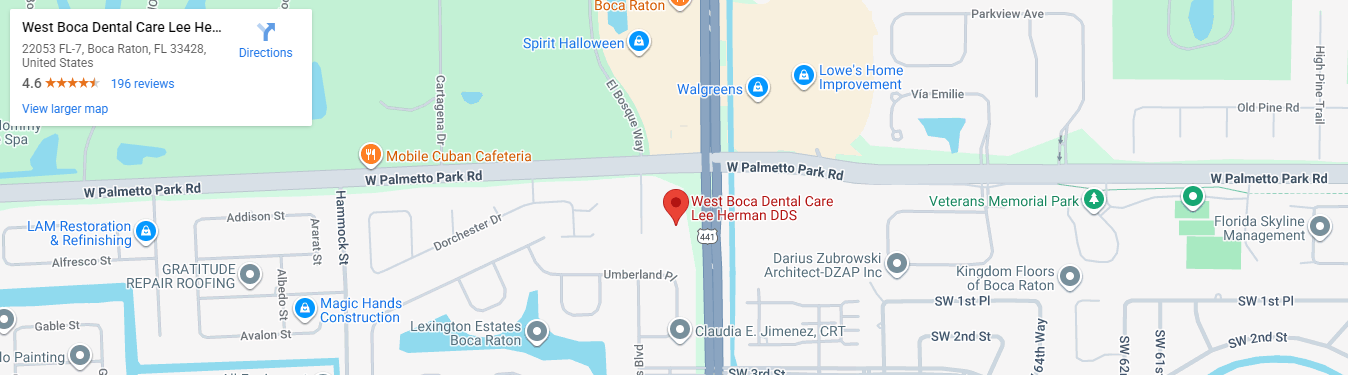
This article was prepared for West Boca Dental Care, 22053 State Road 7, Boca Raton, FL 33428, and reflects the experience of our dental team, led by general dentist and owner Dr. Lee Herman, a 1994 graduate of NYU College of Dentistry who has practiced in Boca Raton for over 25 years. Our team also includes general dentist Dr. Jeffrey Shiffman and dual-degree oral surgeon Dr. Matthew Rand (MD, DMD), a member of the American Association of Oral and Maxillofacial Surgeons.
Disclaimer
This content is for general educational purposes only and is not a substitute for professional dental advice, diagnosis, or treatment. Consult a qualified dental professional about your specific situation.
Blog Post Author

Contributed by Dr. Lee Herman
Dr. Lee Herman has been serving the Boca Raton community since 1994. Coming from a long lineage of dentists, he carries on a family tradition rooted in integrity and a genuine passion for patient care. As the founder of West Boca Dental Care, Dr. Herman leads a multidisciplinary team dedicated to providing comprehensive, high-quality treatment all under one roof. He combines advanced dental technology with a warm, patient-focused philosophy to ensure every visit is comfortable, effective, and personalized.